
BBC issues apology after racial slur heard during live BAFTA broadcast while Michael B Jordan and Delroy Lindo stood on stage
Simran Guleria | Feb 23, 2026, 19:29 IST
BBC has issued an apology after a racial slur was heard during the live BAFTA broadcast while Michael B. Jordan and Delroy Lindo were on stage, sparking backlash and debate over live TV safeguards.

Image credit : X| @blackishpress| BAFTA broadcast controversy forces BBC apology
A moment intended to celebrate cinema’s biggest night instead sparked shock and debate, after an unexpected outburst cut through the glamour of the BAFTA Film Awards. The incident, broadcast to millions, prompted a swift apology from the BBC and reignited complex questions around live television, disability awareness and the limits of editorial control.
The controversy unfolded during Sunday night’s ceremony at London’s Royal Festival Hall. As actors Michael B. Jordan and Delroy Lindo took to the stage to present an award, a racial slur was audibly shouted from the audience. Viewers watching the delayed broadcast on BBC One quickly took to social media, expressing disbelief that the remark had not been removed before transmission.
![X| @babyjays| BBC apologises after racial slur at BAFTAs]()
The BBC later confirmed the shout came from John Davidson, a guest living with Tourette’s syndrome whose life inspired the film I Swear. In a statement, the broadcaster acknowledged the use of “strong and offensive language” and apologised for any offence caused, explaining that the outburst was linked to involuntary verbal tics associated with the neurological condition.
Although some viewers struggled to make out the word clearly, the fact that it aired at all proved deeply unsettling for many. The ceremony had been shown on a two-hour delay, raising immediate questions about editorial judgement and safeguarding. The programme initially remained available on BBC iPlayer before later being removed.
Political and public reaction was swift. Critics argued that, regardless of intent, the slur should have been bleeped out, particularly given the context of two Black actors standing centre stage. The BBC faced mounting pressure to explain how the moment slipped through established broadcast checks.
![X| @lesbeyonsay| BAFTA ceremony overshadowed by on-air slur]()
On the night, host Alan Cumming addressed the audience directly, explaining that Tourette’s involves involuntary tics and that the language heard was not a reflection of belief or intent. He offered an apology to anyone offended, a response that some later described as insufficient.
Davidson reportedly left the ceremony before it concluded. His tics had been audible several times during the evening, not only during the award presentation that sparked the backlash.
The incident has since prompted broader discussion within the film industry. Several prominent figures voiced frustration that the impact on Jordan and Lindo was not immediately prioritised. Others stressed the importance of understanding Tourette’s syndrome, noting that such tics are involuntary and can involve complex neurological triggers.
Supporters of Davidson pointed out that only a minority of people with Tourette’s experience coprolalia, the specific type of tic involving involuntary swearing, and that public reactions often overlook the daily challenges faced by those living with the condition. Davidson himself has long campaigned to improve awareness and was awarded an MBE for his advocacy work.
![X| @blackishpress| BBC under fire after slur heard at BAFTAs]()
For the BBC, the episode underscores the fragile balance between inclusivity and responsibility on live or near-live broadcasts. While the apology may address immediate concerns, the incident has left lasting questions about how broadcasters can better protect audiences while fostering understanding of disability. What was meant to be a celebration of film has instead become a moment of reflection for the industry and viewers alike.
The controversy unfolded during Sunday night’s ceremony at London’s Royal Festival Hall. As actors Michael B. Jordan and Delroy Lindo took to the stage to present an award, a racial slur was audibly shouted from the audience. Viewers watching the delayed broadcast on BBC One quickly took to social media, expressing disbelief that the remark had not been removed before transmission.
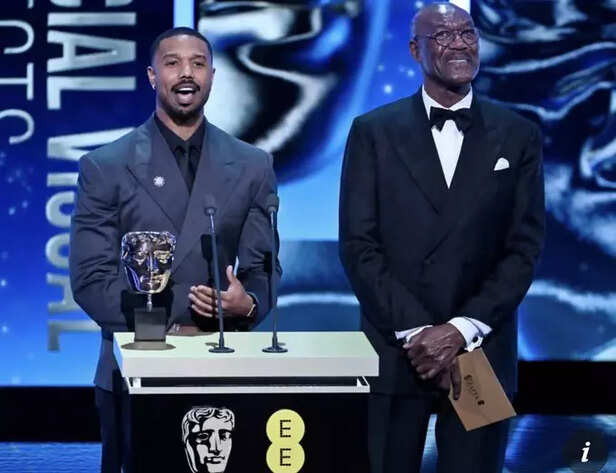
Image credit : X| @babyjays| BBC apologises after racial slur at BAFTAs
The BBC later confirmed the shout came from John Davidson, a guest living with Tourette’s syndrome whose life inspired the film I Swear. In a statement, the broadcaster acknowledged the use of “strong and offensive language” and apologised for any offence caused, explaining that the outburst was linked to involuntary verbal tics associated with the neurological condition.
Why the moment caused such backlash
Although some viewers struggled to make out the word clearly, the fact that it aired at all proved deeply unsettling for many. The ceremony had been shown on a two-hour delay, raising immediate questions about editorial judgement and safeguarding. The programme initially remained available on BBC iPlayer before later being removed.
Political and public reaction was swift. Critics argued that, regardless of intent, the slur should have been bleeped out, particularly given the context of two Black actors standing centre stage. The BBC faced mounting pressure to explain how the moment slipped through established broadcast checks.
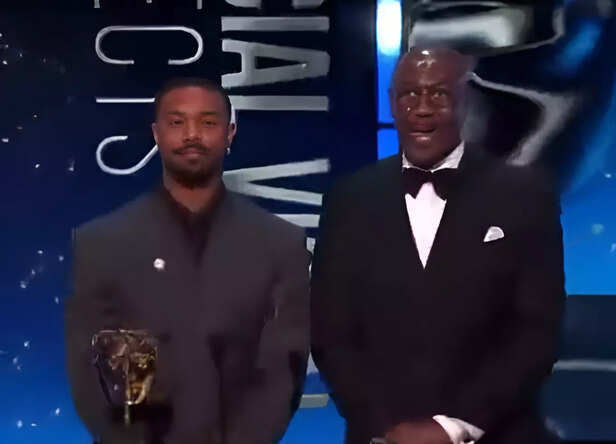
Image credit : X| @lesbeyonsay| BAFTA ceremony overshadowed by on-air slur
On the night, host Alan Cumming addressed the audience directly, explaining that Tourette’s involves involuntary tics and that the language heard was not a reflection of belief or intent. He offered an apology to anyone offended, a response that some later described as insufficient.
Davidson reportedly left the ceremony before it concluded. His tics had been audible several times during the evening, not only during the award presentation that sparked the backlash.
A wider conversation beyond the ceremony
The incident has since prompted broader discussion within the film industry. Several prominent figures voiced frustration that the impact on Jordan and Lindo was not immediately prioritised. Others stressed the importance of understanding Tourette’s syndrome, noting that such tics are involuntary and can involve complex neurological triggers.
Supporters of Davidson pointed out that only a minority of people with Tourette’s experience coprolalia, the specific type of tic involving involuntary swearing, and that public reactions often overlook the daily challenges faced by those living with the condition. Davidson himself has long campaigned to improve awareness and was awarded an MBE for his advocacy work.
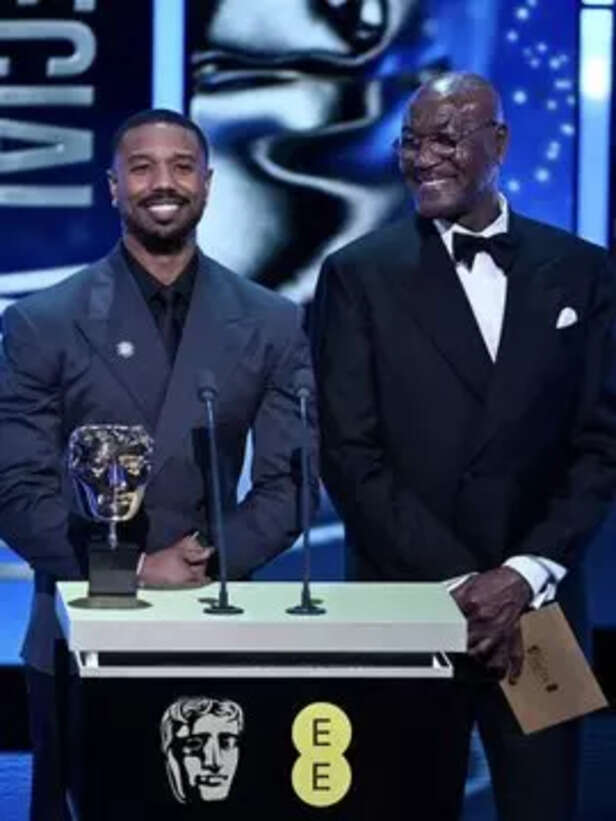
Image credit : X| @blackishpress| BBC under fire after slur heard at BAFTAs
For the BBC, the episode underscores the fragile balance between inclusivity and responsibility on live or near-live broadcasts. While the apology may address immediate concerns, the incident has left lasting questions about how broadcasters can better protect audiences while fostering understanding of disability. What was meant to be a celebration of film has instead become a moment of reflection for the industry and viewers alike.
Why are flights delayed and cancelled at Mexico’s busiest airports?
By Sneha Kumari

Jennifer Aniston and Jim Curtis spark move-in rumours
By Simran Guleria

Fact check: Is Kick streamer Cheesur linked to El Mencho killing?
By Sneha Kumari

A Knight of the Seven Kingdoms spoilers
By Emmy Azad

Olympic celebrations put Kash Patel in fresh spotlight
By Simran Guleria

Is GTA 6 really going to cost $99.99 or is it just a placeholder?
By Sneha Kumari

Alia Bhatt flexes Hindi at BAFTAs and we’re living for the queen energy
By Iraa Paul

