

Trump tariffs could return by July using Section 301 route; Can the administration fully restore earlier levels? Details here
Nancy Jaiswal | Apr 15, 2026, 10:43 IST
Trump administration officials indicate tariffs could return by July after a Supreme Court setback. Section 301 studies are underway to support reinstatement, while economic indicators, inflation trends, and global tensions continue to shape policy direction.

Image credit : Indiatimes | Trump tariffs may return by July after court setback
US President Donald Trump may see his earlier tariff measures reinstated by July, following a legal setback at the Supreme Court of the United States. Treasury Secretary Scott Bessent indicated that the administration is exploring alternative legal routes to restore duties that were previously invalidated.
Speaking at a Wall Street Journal event in Washington, Bessent acknowledged the court ruling as a setback for the administration’s tariff agenda. He stated that the government is now conducting Section 301 studies, which could allow tariffs to be reintroduced at earlier levels by the beginning of July.
![Trump administration officials indicate tariffs could return by July after a Supreme Court setback]() He explained that Section 301 authority has already been tested in courts, providing a clearer framework for businesses. This clarity, he noted, could help companies plan capital expenditure decisions more effectively as they assess potential changes in trade policy.
He explained that Section 301 authority has already been tested in courts, providing a clearer framework for businesses. This clarity, he noted, could help companies plan capital expenditure decisions more effectively as they assess potential changes in trade policy.
The administration is seeking to rebuild its tariff framework using different legal mechanisms after the court found the earlier use of emergency powers to impose duties unconstitutional.
Following the ruling, the government introduced a temporary 10 percent duty on a range of imports. This measure is scheduled to remain in effect until July 24, 2026.
![US President Donald Trump may see his earlier tariff measures reinstated by July]() At the same time, several Section 301 investigations have been launched. These include inquiries into industrial overcapacity in other countries and concerns related to forced labour practices. The findings from these studies could support the imposition of new tariffs in the coming months.
At the same time, several Section 301 investigations have been launched. These include inquiries into industrial overcapacity in other countries and concerns related to forced labour practices. The findings from these studies could support the imposition of new tariffs in the coming months.
Bessent also addressed broader economic conditions, including the potential impact of the Iran war on the US economy. He said it is difficult to determine when the effects of the conflict might fully influence economic performance, but noted that the economy currently remains strong.
He added that growth for the year could exceed three to three-and-a-half percent. Bessent also pointed to declining core inflation, which excludes volatile categories such as energy and food, as a positive sign.
![Trump tariffs revival strategy targets July timeline]() Commenting on monetary policy, he said the Federal Reserve has been incorrect in its assessment of inflation trends. He suggested that interest rates should decrease further, although he acknowledged that policymakers may prefer to wait for clearer data before taking action.
Commenting on monetary policy, he said the Federal Reserve has been incorrect in its assessment of inflation trends. He suggested that interest rates should decrease further, although he acknowledged that policymakers may prefer to wait for clearer data before taking action.
Recent economic data presents a mixed picture. While core inflation showed signs of easing in March, the headline consumer price index rose sharply, driven in part by higher gas prices. This divergence highlights ongoing uncertainty in the inflation outlook, even as some indicators show improvement.
The developments come as the administration continues to evaluate its trade and economic strategy. The potential reinstatement of tariffs, combined with evolving inflation trends and global factors, is expected to influence business planning and policy decisions in the months ahead.
Tariff policy faces legal setback and proposed return
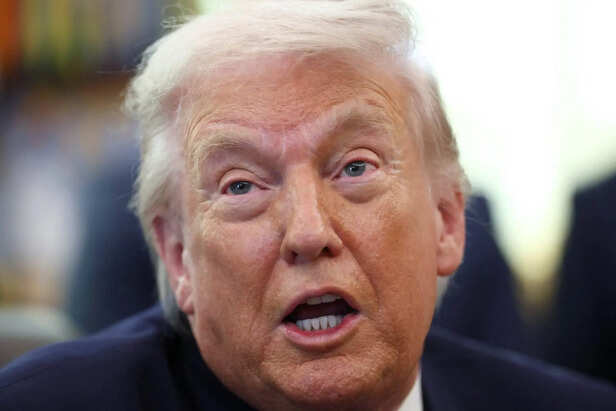
Image credit : X/Maga_Trigger | Trump administration officials indicate tariffs could return by July after a Supreme Court setback
Strategy to reinstate tariffs after court ruling
Following the ruling, the government introduced a temporary 10 percent duty on a range of imports. This measure is scheduled to remain in effect until July 24, 2026.
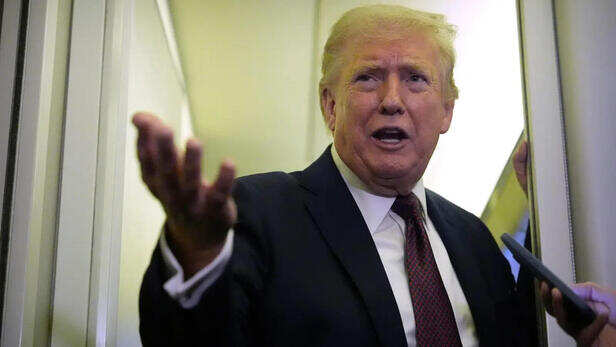
Image credit : X/Maga_Trigger | US President Donald Trump may see his earlier tariff measures reinstated by July
Economic outlook and inflation trends
He added that growth for the year could exceed three to three-and-a-half percent. Bessent also pointed to declining core inflation, which excludes volatile categories such as energy and food, as a positive sign.
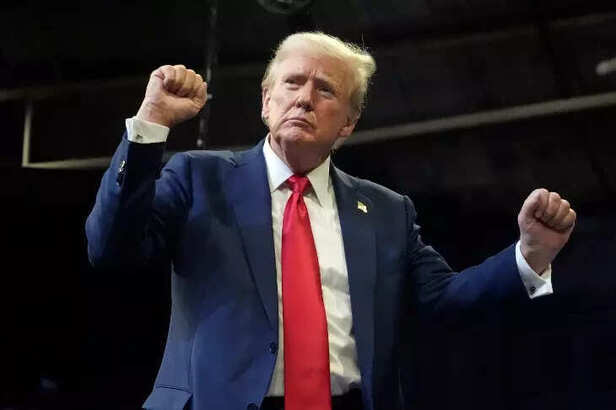
Image credit : X/Maga_Trigger | Trump tariffs revival strategy targets July timeline
Mixed inflation signals in latest data
The developments come as the administration continues to evaluate its trade and economic strategy. The potential reinstatement of tariffs, combined with evolving inflation trends and global factors, is expected to influence business planning and policy decisions in the months ahead.

Why is Shannon Elizabeth joining OnlyFans?
By Sneha Kumari

Is BGMI 4.4 update going to drop mid-May 2026?
By Sneha Kumari

How Euphoria turned makeup into a mood, not a rulebook
By Sneha Kumari

Who is Vaishali Rameshbabu?
By Sneha Kumari

Why guochao cultural is the new cool for us
By Saloni Jha

Taylor Swift praises Dakota Johnson’s honesty
By Nancy Jaiswal

When care sounds like control: What does 'Guilt-Tripping' really mean?
By Sneha Kumari


