
We turned delulu into a lifestyle, here’s why it feels necessary
Iraa Paul | Feb 24, 2026, 13:49 IST
Delulu started as a funny meme but has evolved into a Gen Z coping mechanism for dealing with uncertainty and stress.

If you’ve spent any time on Instagram, or X, over the past few years, you’ve probably come across the term ‘delulu.’ Short for delusional, it originally started as a meme, a funny, exaggerated way to cope with crushes, dream lives, or situations that didn’t quite match reality. You know the type: “He liked my story, we’re basically married” or “I applied once, the job is mine by fate.” It was ironic, playful, and harmless.
But somewhere along the way, delulu stopped being just a meme. It evolved into something deeper. Something that’s now part of how many Gen Zers navigate the world. In fact, for some, being delulu has become a lifestyle, a coping mechanism, a mindset, and even a survival strategy.
![We turned delulu into a lifestyle, here’s why it feels necessary]()
Originally, delulu was self-aware humor. It was exaggerated, a little chaotic, and meant to be relatable. It thrived in fandom spaces, especially K-pop communities, and then spread across broader social media. People joked about imagining impossible scenarios with celebrities, crushes, or life events. Saying ‘delulu is the solulu’ became an inside joke, a wink-and-nod to everyone who knew they were overthinking but wanted to laugh about it.
Over time, however, the line between irony and belief blurred. Manifestation culture, dating trends, and online hustle culture all collided with the concept of delulu. Suddenly, ignoring reality wasn’t just funny, it felt aspirational. We were growing up in a world of curated feeds and highlight reels. If influencers could manifest dream apartments, relationships, or lives, why couldn’t we?
From a Gen Z perspective, the shift makes sense. Social media constantly pushes perfection. Feeds are full of people seemingly living flawless lives, hitting career milestones, dating enviable partners, and posting about manifesting their best selves. In that environment, delulu becomes a protective mindset. It allows us to dream bigger, act bolder, and maintain optimism in a world that often feels chaotic or unfair.
Delulu can also function as emotional armor. It’s easier to convince yourself that mixed signals from a crush are “mysterious” than to confront rejection. It’s easier to frame a delayed promotion as the universe “preparing the perfect opportunity” than to face disappointment. In a generation that values self-expression, mental health, and boundary-setting, delulu becomes a way to manage uncertainty without losing confidence.
![We turned delulu into a lifestyle, here’s why it feels necessary]()
Of course, there’s a difference between being delulu for fun and using it to avoid reality. Confidence is healthy. Self-belief is empowering. But when delusion starts replacing clarity, it can lead to frustration and missed opportunities.
In relationships, delulu can make us romanticize red flags. In careers, it can make us ignore preparation or feedback. And online, the internet rewards the most dramatic manifestations, the over-the-top confidence or absurd “I’m manifesting my soulmate” content. The risk is that we start performing delulu rather than laughing at it, turning a meme into a lifestyle that sometimes clouds judgment.
![We turned delulu into a lifestyle, here’s why it feels necessary]()
Delulu culture resonates because it’s both relatable and aspirational. Gen Z grew up in a digital-first world, with entertainment, social connections, and even self-esteem mediated by apps and algorithms. Memes weren’t just jokes; they were survival guides. We learned to cope through humor, exaggeration, and ironic confidence. Delulu, in that sense, became a framework for managing life’s uncertainties.
![We turned delulu into a lifestyle, here’s why it feels necessary]()
Manifestation trends also played a huge role. Instagram is full of guides on ‘visualizing your dream life,’ ‘claiming your best self,’ and ‘energy alignment.’ Delulu fit perfectly into that ecosystem: a way to stay positive, stay hopeful, and protect your mental state, even if reality wasn’t quite catching up.
But somewhere along the way, delulu stopped being just a meme. It evolved into something deeper. Something that’s now part of how many Gen Zers navigate the world. In fact, for some, being delulu has become a lifestyle, a coping mechanism, a mindset, and even a survival strategy.

Image credit : Pexels | But somewhere along the way, delulu stopped being just a meme
From Meme to Mindset
Over time, however, the line between irony and belief blurred. Manifestation culture, dating trends, and online hustle culture all collided with the concept of delulu. Suddenly, ignoring reality wasn’t just funny, it felt aspirational. We were growing up in a world of curated feeds and highlight reels. If influencers could manifest dream apartments, relationships, or lives, why couldn’t we?
Why Delulu Feels Necessary
Delulu can also function as emotional armor. It’s easier to convince yourself that mixed signals from a crush are “mysterious” than to confront rejection. It’s easier to frame a delayed promotion as the universe “preparing the perfect opportunity” than to face disappointment. In a generation that values self-expression, mental health, and boundary-setting, delulu becomes a way to manage uncertainty without losing confidence.

Image credit : Pexels | Originally, delulu was self-aware humour
The Fine Line Between Confidence and Denial
In relationships, delulu can make us romanticize red flags. In careers, it can make us ignore preparation or feedback. And online, the internet rewards the most dramatic manifestations, the over-the-top confidence or absurd “I’m manifesting my soulmate” content. The risk is that we start performing delulu rather than laughing at it, turning a meme into a lifestyle that sometimes clouds judgment.

Image credit : Pexels | Over time, however, the line between irony and belief blurred
How Delulu Became Part of Our Culture
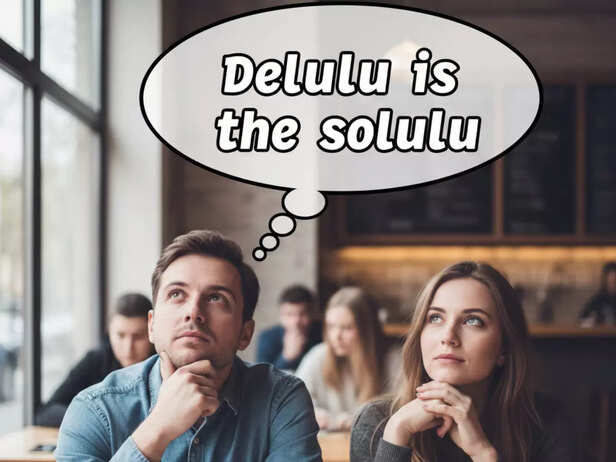
Image credit : Gemini | AI-generated photo of two people thinking about delusion
Manifestation trends also played a huge role. Instagram is full of guides on ‘visualizing your dream life,’ ‘claiming your best self,’ and ‘energy alignment.’ Delulu fit perfectly into that ecosystem: a way to stay positive, stay hopeful, and protect your mental state, even if reality wasn’t quite catching up.
Kate-Meghan rift: ‘Abrasive’ claim in new book
By Nancy Jaiswal

Rob Jetten makes history as first openly gay Dutch PM
By Emmy Azad

Who is Rob Jetten? Meet the Netherlands' first openly gay prime minister
By Nillohit Bagchi

Stargate delayed as Musk’s doubts resurface
By Nancy Jaiswal

The real Shaadi star isn't Paneer Butter Masala anymore – it's Maggi
By Sneha Kumari

Inside the gothic sets of Wuthering Heights
By Emmy Azad

Here are 10 ways to say 'touch grass' with the right energy
By Iraa Paul

