
Celebs are clout, micro-influencers are mood: How Gen Z sees fame now
Iraa Paul | Feb 17, 2026, 09:19 IST
Gen Z is redefining celebrity culture, prioritizing authenticity and relatability over red carpets and PR stunts.

Image credit : Freepik | For Gen Z, the glitz and glam of red carpets, paparazzi snaps, and magazine covers are less mood than ever
Let’s be real, the whole “celebrity obsession” vibe that dominated the 2000s and 2010s? It’s, kinda crumbling. For Gen Z, the glitz and glam of red carpets, paparazzi snaps, and magazine covers are less mood than ever. Instead, what’s trending now is authenticity, relatability, and yes, micro-influencer energy. The era of worshipping celebrities just because they’re famous is slowly fading into an Instagram-shaped void.
![Celebs are clout, micro-influencers are mood: How Gen Z sees fame now]()
We don't scroll for polished photoshoots,we scroll for realness. Forget paparazzi shots of a celeb in Dior; Gen Z wants a 15-second Instagram Reel of someone cooking ramen in a dorm kitchen while spilling tea about life. Platforms like Instagram, Instagram Reels, and YouTube Shorts have flipped fame on its head. Ordinary people or “everyday influencers”, can reach millions without a PR team or fancy awards. This shift means traditional celebrity culture, dominated by movies, TV, and tabloids, doesn’t feel as relevant.
Take the rise of creators whose appeal is literally just being themselves, reacting to everyday absurdities or sharing honest life moments. Or fashion icons who started as regular users posting thrift flips online. Gen Z is vibing more with personalities they feel could be them, not just untouchable stars in mansions. The halo effect that once protected celebrities? It’s gone.
Another big fact is cancel culture and Gen Z’s zero tolerance for fake energy. Traditional celebrities are constantly under scrutiny for past tweets, shady behaviours, or PR stunts. Gen Z doesn’t just blindly stan, they research, debate, and sometimes drag. The era of uncritically loving someone because they’re “hot” or “famous” is over. Instead, credibility, ethical behavior, and social responsibility matter. If you’re a celeb and your persona is purely performative, Gen Z sees through it faster than you can say “scripted Instagram post.”
This scrutiny has shifted attention from mega-celebs to niche communities. Gamers, indie artists, Instagram creators, and eco-activists often get more respect than Hollywood A-listers simply because their influence feels earned, not packaged. Fame has become a mix of skill, content, and relatability, not just big-budget marketing campaigns.
![Celebs are clout, micro-influencers are mood: How Gen Z sees fame now]()
Let’s not sleep on micro-influencers. These are the 5k–50k follower accounts who have insane engagement and a personal connection with their audience. For Gen Z, a micro-influencer’s opinion on skincare, streetwear, or music holds more weight than a multi-millionaire celebrity’s endorsement. Celebs are too far removed from everyday life, while a micro-influencer might be someone you could actually sit next to at a coffee shop. It’s all about intimacy and community over grandeur.
Even mainstream celebrities are noticing this. Many are now posting unfiltered content, participating in Instagram trends, or collaborating with relatable creators to stay relevant. The message is clear: if you can’t vibe with the Gen Z attention economy, your star power dims fast.
Interestingly, Gen Z still engages with celebrity culture but mostly as nostalgia or meme content. Think Drake vs. Chris Brown Twitter beefs or viral Instagram meme edits using throwback Britney Spears tracks. Celebrities exist in our feeds as content fodder, not objects of worship. Memes, references, and viral moments matter more than awards or red carpet appearances. The traditional celebrity ecosystem is shifting from reverence to entertainment, remix, and irony.
![Celebs are clout, micro-influencers are mood: How Gen Z sees fame now]()
So is celebrity culture dying for Gen Z? Sort of, but also evolving. Fame isn’t dead; it’s decentralized. It’s no longer about movies, awards, or magazines. It’s about being present on the right platform, staying authentic, and being meme-able. Mega-celebs are no longer automatically relevant; Gen Z is creating new hierarchies of influence, where relatability and digital creativity trump glitz.
In a way, this is liberating. It democratizes fame and makes media consumption more interactive. Instead of idolizing distant figures, Gen Z wants co-experiences, community, and personalities they can actually engage with. The stars we stan now might not be on Hollywood billboards, they might be on Instagram, Instagram Reels, or indie YouTube channels.
At the end of the day, celebrity culture isn’t dying, it’s mutating into something more Gen Z. And honestly? That’s kind of a vibe.
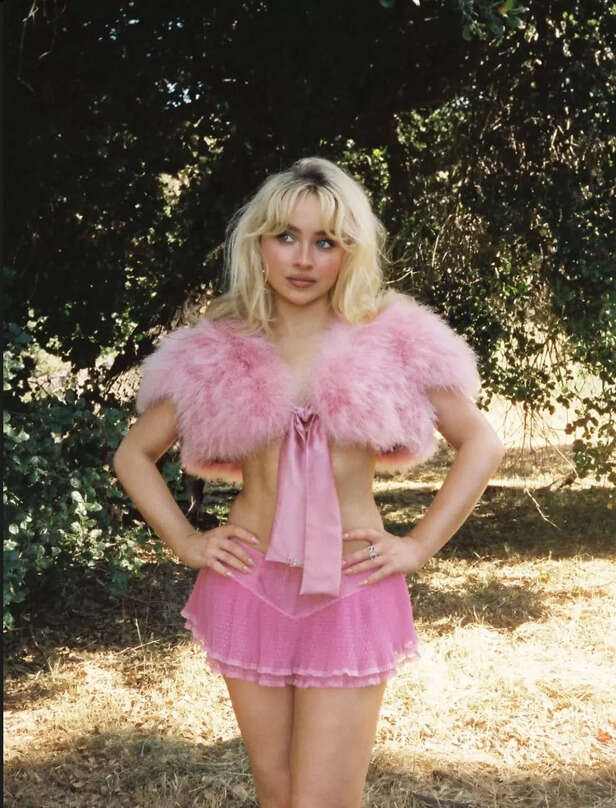
Image credit : @TheCinesthetic/ X | Gen Z wants a 15-second Instagram Reel of someone cooking ramen
The Rise of “Relatable Fame”
Take the rise of creators whose appeal is literally just being themselves, reacting to everyday absurdities or sharing honest life moments. Or fashion icons who started as regular users posting thrift flips online. Gen Z is vibing more with personalities they feel could be them, not just untouchable stars in mansions. The halo effect that once protected celebrities? It’s gone.
Cancel Culture and Skepticism
This scrutiny has shifted attention from mega-celebs to niche communities. Gamers, indie artists, Instagram creators, and eco-activists often get more respect than Hollywood A-listers simply because their influence feels earned, not packaged. Fame has become a mix of skill, content, and relatability, not just big-budget marketing campaigns.
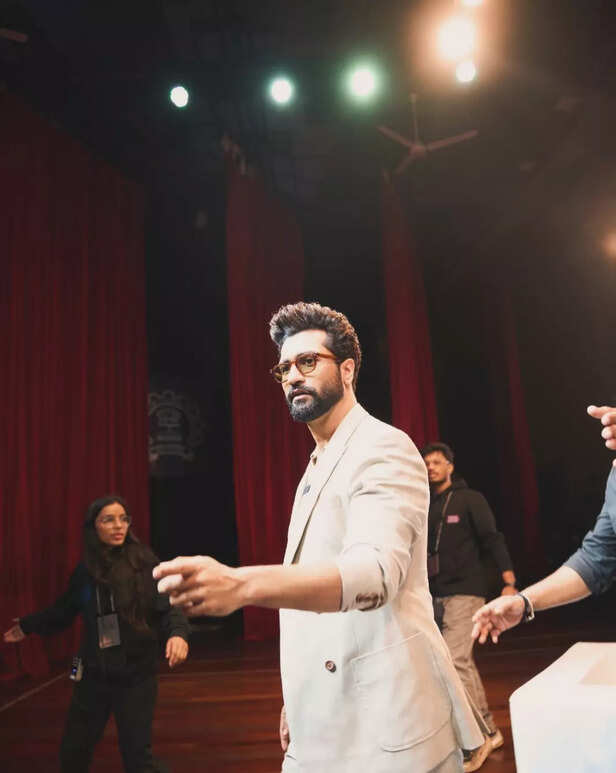
Image credit : Vicky Kaushal/ IG | Take the rise of creators whose appeal is literally just being themselves
The Micro-Influencer Takeover
Even mainstream celebrities are noticing this. Many are now posting unfiltered content, participating in Instagram trends, or collaborating with relatable creators to stay relevant. The message is clear: if you can’t vibe with the Gen Z attention economy, your star power dims fast.
Nostalgia Isn’t Enough

What This Means for Fame
In a way, this is liberating. It democratizes fame and makes media consumption more interactive. Instead of idolizing distant figures, Gen Z wants co-experiences, community, and personalities they can actually engage with. The stars we stan now might not be on Hollywood billboards, they might be on Instagram, Instagram Reels, or indie YouTube channels.
At the end of the day, celebrity culture isn’t dying, it’s mutating into something more Gen Z. And honestly? That’s kind of a vibe.
So it's official: Eli and Kimi are done.
By Shivani Negi

From ghosting to grand gestures: Why ‘storybooking’ trend is making dating feel like Bridgerton again
By Saloni Jha

Who is 9trevv, and why is his El Mencho Cartel video going viral? Here's what we know
By Sneha Kumari

Princy Parikh deletes David Miller reel after rape threats
By Karen Noronha

What is the PM baddie banao yojana
By Saloni Jha

Did GTA 6 just secretly reveal its massive map?
By Sneha Kumari

Bonnie Blue's baby daddy hunt: DNA swabs, 400 suspects, and more
By Shivani Negi

