
Donald Trump slams Supreme Court ruling as ‘dumb’ but claims more power: Here’s what it really means for tariffs and trade
Nancy Jaiswal | Feb 24, 2026, 07:02 IST
Donald Trump reacted strongly to a Supreme Court ruling on tariffs, calling it flawed while claiming it increased his authority. He questioned licensing limits, criticized the justices, raised tariff rates, and linked the issue to broader debates including citizenship policy.

Image credit : X/Maga_Trigger | Trump attacks Supreme Court over tariff ruling
Donald Trump publicly criticized the Supreme Court of the United States on Monday following its recent ruling on his administration’s tariff measures. The decision stated that the President had exceeded his authority. Trump, however, argued that the outcome had effectively increased his powers rather than limiting them.
In a series of posts on Truth Social, he described the ruling as “ridiculous” and “dumb,” and said he would refer to the Supreme Court in lower case letters due to what he called a “complete lack of respect.” He also claimed the decision had “accidentally and unwittingly” provided him with greater authority than before.
The court’s decision addressed the limits of presidential authority in imposing tariffs. While it allowed the use of trade licenses under emergency powers, it did not permit attaching fees to those licenses in the way previously attempted.
![Donald Trump reacted strongly to a Supreme Court ruling on tariffs]() Trump argued that this still left room for significant action. He stated that he could “use Licenses to do absolutely ‘terrible’ things to foreign countries,” particularly those he claimed had taken advantage of the United States for years. However, he did not clarify how the ruling directly enabled broader powers.
Trump argued that this still left room for significant action. He stated that he could “use Licenses to do absolutely ‘terrible’ things to foreign countries,” particularly those he claimed had taken advantage of the United States for years. However, he did not clarify how the ruling directly enabled broader powers.
He appeared to focus on the distinction between requiring licenses and charging fees. According to his interpretation, countries could still be required to obtain licenses to trade, but no fee could be imposed. He questioned this logic, saying, “ALL LICENSES CHARGE FEES, why can’t the United States do so? You do a license to get a fee!” He added, “The opinion doesn’t explain that, but I know the answer!”
Trump also stated that other tariffs remained approved and could now be applied in a “more powerful and obnoxious way, with legal certainty,” compared to earlier approaches.
Trump described the court as “incompetent,” while praising three dissenting justices Brett Kavanaugh, Clarence Thomas, and Samuel Alito referring to them as “the Great Three.”
![Donald Trump publicly criticized the Supreme Court of the United States ]() He warned that countries attempting to take advantage of the ruling would face stricter trade measures. In a follow-up post, he wrote that any nation seeking to “play games” with the decision would be met with “a much higher Tariff, and worse,” adding “BUYER BEWARE!!!”
He warned that countries attempting to take advantage of the ruling would face stricter trade measures. In a follow-up post, he wrote that any nation seeking to “play games” with the decision would be met with “a much higher Tariff, and worse,” adding “BUYER BEWARE!!!”
Trump’s comments included references to trade licensing under emergency authority. Laws such as the International Emergency Economic Powers Act allow the President to require foreign countries to obtain permission, or licenses, to trade with the United States during economic emergencies.
He appeared to argue that these licensing powers could be used as an alternative method to impose trade pressure instead of traditional tariffs. However, his main objection remained the inability to attach fees to those licenses under the court’s ruling.
The criticism of the court extended beyond tariffs to include birthright citizenship. Trump referred to the 14th Amendment, which states that all persons born or naturalized in the United States are citizens.
He argued that the amendment was intended for the “babies of slaves” following the Civil War. In January last year, he issued an executive order aiming to exclude children of undocumented immigrants or those on temporary visas from automatic citizenship.
Trump also claimed that countries such as China use this provision by sending pregnant women to the United States to secure citizenship for their children. He expressed concern that the court could reach what he described as “the wrong conclusion” on this issue.
Following the court’s decision to limit certain tariffs to 10 per cent, Trump announced on Saturday that he would raise the rate to 15 per cent. He said this increase was “fully allowed, and legally tested.”
![US President Donald Trump]() He added that his administration would, in the coming months, determine and implement new tariffs that comply with legal standards. According to Trump, these measures would continue efforts to strengthen the country’s economic position.
He added that his administration would, in the coming months, determine and implement new tariffs that comply with legal standards. According to Trump, these measures would continue efforts to strengthen the country’s economic position.
Trump rejected the ruling, defended broader authority, criticized the court, raised tariffs, and linked the dispute to wider policy debates.
In a series of posts on Truth Social, he described the ruling as “ridiculous” and “dumb,” and said he would refer to the Supreme Court in lower case letters due to what he called a “complete lack of respect.” He also claimed the decision had “accidentally and unwittingly” provided him with greater authority than before.
Tariff ruling and interpretation of expanded powers
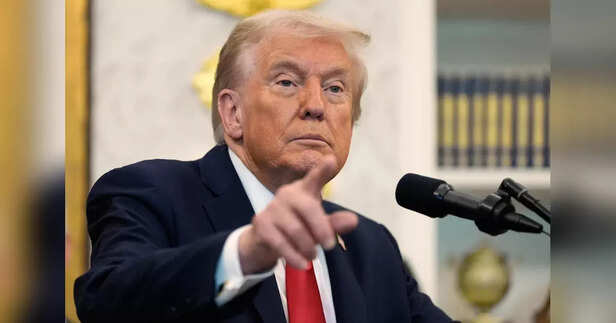
Image credit : X/Maga_Trigger | Donald Trump reacted strongly to a Supreme Court ruling on tariffs
He appeared to focus on the distinction between requiring licenses and charging fees. According to his interpretation, countries could still be required to obtain licenses to trade, but no fee could be imposed. He questioned this logic, saying, “ALL LICENSES CHARGE FEES, why can’t the United States do so? You do a license to get a fee!” He added, “The opinion doesn’t explain that, but I know the answer!”
Trump also stated that other tariffs remained approved and could now be applied in a “more powerful and obnoxious way, with legal certainty,” compared to earlier approaches.
Criticism of justices and warning to countries
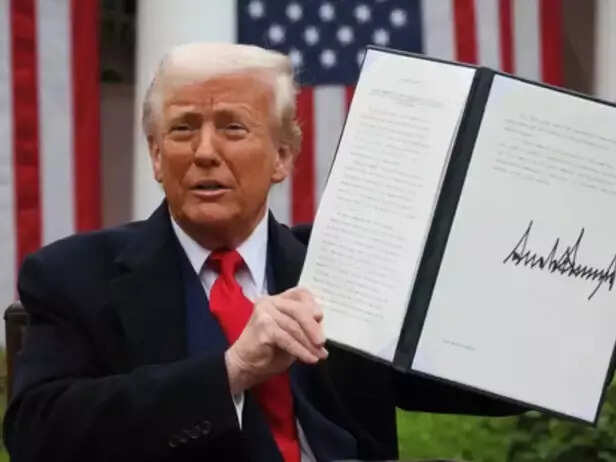
Image credit : X/Maga_Trigger | Donald Trump publicly criticized the Supreme Court of the United States
Licensing powers and legal framework
He appeared to argue that these licensing powers could be used as an alternative method to impose trade pressure instead of traditional tariffs. However, his main objection remained the inability to attach fees to those licenses under the court’s ruling.
Birthright citizenship enters the discussion
He argued that the amendment was intended for the “babies of slaves” following the Civil War. In January last year, he issued an executive order aiming to exclude children of undocumented immigrants or those on temporary visas from automatic citizenship.
Trump also claimed that countries such as China use this provision by sending pregnant women to the United States to secure citizenship for their children. He expressed concern that the court could reach what he described as “the wrong conclusion” on this issue.
Tariff increase and next steps
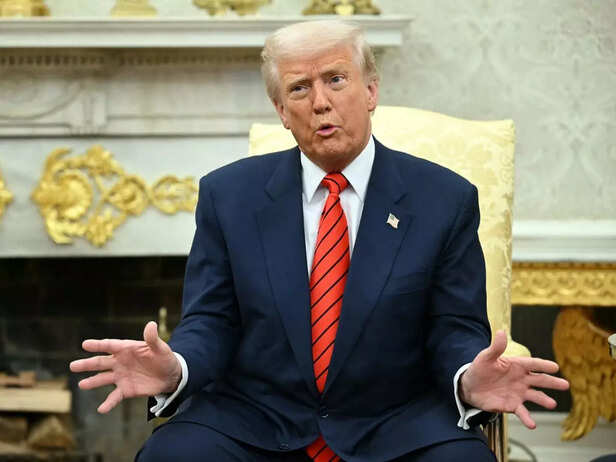
Image credit : X/Maga_Trigger | US President Donald Trump
Trump rejected the ruling, defended broader authority, criticized the court, raised tariffs, and linked the dispute to wider policy debates.
Light-skinned Black man detained by ICE, ignites online debate
By Simran Guleria

Global cost of living study sparks affordability debate
By Simran Guleria

GoFundMe for Eric Dane’s daughters sparks debate
By Simran Guleria

Selena Gomez clone drama takes a chaotic turn with 'secret Bieber baby' reveal
By Shivani Negi

US tech firm rescues employee amid Mexico airport chaos
By Simran Guleria

BAFTA broadcast controversy forces BBC apology
By Simran Guleria

Why are flights delayed and cancelled at Mexico’s busiest airports?
By Sneha Kumari

