

Elon Musk’s Terafab project: Staff contacts chip suppliers, seek quotes & timelines—can AI chip manufacturing begin by 2029?
Nancy Jaiswal | Apr 16, 2026, 10:04 IST
Elon Musk’s team has begun engaging major chip equipment suppliers for the Terafab AI project tied to Tesla and SpaceX. With requests for pricing and timelines underway, the plan targets silicon production by 2029 at a Texas-based facility.

Image credit : Indiatimes | Musk’s Terafab plan reaches out to chip suppliers
Elon Musk’s team has initiated contact with several companies in the semiconductor supply chain as part of the Terafab AI chip complex effort. According to a report by Bloomberg, discussions have been opened with firms such as Applied Materials, Tokyo Electron, and Lam Research.
In addition to these suppliers, the team has also approached Samsung Electronics, which is expected to play a role as a chip manufacturing partner. The outreach reflects an early-stage effort to assemble the required ecosystem for the Terafab project, which is linked to both Tesla and SpaceX.
The discussions are focused on building relationships with established industry participants as Musk moves into semiconductor manufacturing.
The report indicates that Musk’s staff have been actively seeking detailed inputs from suppliers. This includes requests for pricing estimates and delivery schedules for a wide range of chipmaking equipment. Over recent weeks, outreach has extended to manufacturers of photomasks, substrates, etching systems, deposition tools, cleaning equipment, and testing systems.
![Elon Musk’s team has begun engaging major chip equipment suppliers]() The scope of these inquiries shows that the Terafab project is evaluating the full production chain required for semiconductor fabrication. Suppliers have reportedly been asked to provide quick estimates, even though only limited details about the final products have been shared at this stage.
The scope of these inquiries shows that the Terafab project is evaluating the full production chain required for semiconductor fabrication. Suppliers have reportedly been asked to provide quick estimates, even though only limited details about the final products have been shared at this stage.
This approach suggests that the project is prioritizing speed in its planning phase while still defining technical requirements.
A central objective outlined in the report is to begin silicon manufacturing by 2029. Following initial production, the plan is to expand capacity over time. The emphasis on rapid execution is reflected in the request for fast responses from suppliers, with the project reportedly aiming to move at a “light speed” pace.
![Elon Musk’s team has initiated contact with several companies ]() At this stage, the information remains based on sources familiar with the discussions, and independent verification has not been confirmed by Reuters. The companies involved including Tesla, SpaceX, Applied Materials, Tokyo Electron, Lam Research, and Samsung Electronics have not issued immediate responses to requests for comment.
At this stage, the information remains based on sources familiar with the discussions, and independent verification has not been confirmed by Reuters. The companies involved including Tesla, SpaceX, Applied Materials, Tokyo Electron, Lam Research, and Samsung Electronics have not issued immediate responses to requests for comment.
The Terafab initiative was launched in March. In a separate development, Intel stated that it would participate in the project to support processor manufacturing aligned with robotics and data center objectives.
The facility is planned for construction at the Tesla campus in eastern Travis County, Austin, Texas. Austin has been identified as the base for the complex, placing the project within an established technology and manufacturing environment.
![The Terafab initiative was launched in March]() The combination of supplier outreach, partnership discussions, and location planning indicates that the Terafab project is progressing through its early organizational phase while maintaining a defined production timeline.
The combination of supplier outreach, partnership discussions, and location planning indicates that the Terafab project is progressing through its early organizational phase while maintaining a defined production timeline.
Musk’s Terafab project advances through supplier outreach, partnerships, and planning, targeting 2029 production while maintaining a fast-paced development approach.
In addition to these suppliers, the team has also approached Samsung Electronics, which is expected to play a role as a chip manufacturing partner. The outreach reflects an early-stage effort to assemble the required ecosystem for the Terafab project, which is linked to both Tesla and SpaceX.
The discussions are focused on building relationships with established industry participants as Musk moves into semiconductor manufacturing.
Equipment requests and industry scope
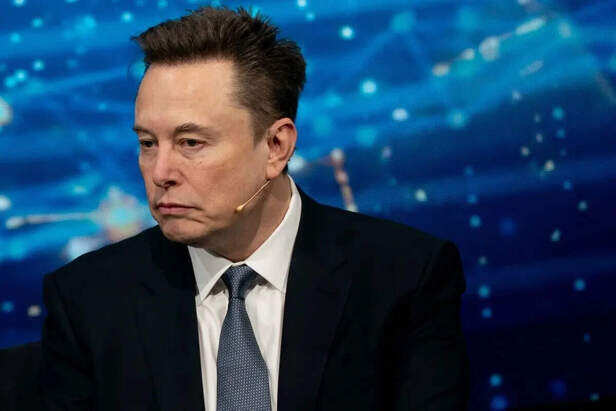
Image credit : X/ElonMuskAOC | Elon Musk’s team has begun engaging major chip equipment suppliers
This approach suggests that the project is prioritizing speed in its planning phase while still defining technical requirements.
Timeline targets and operational strategy
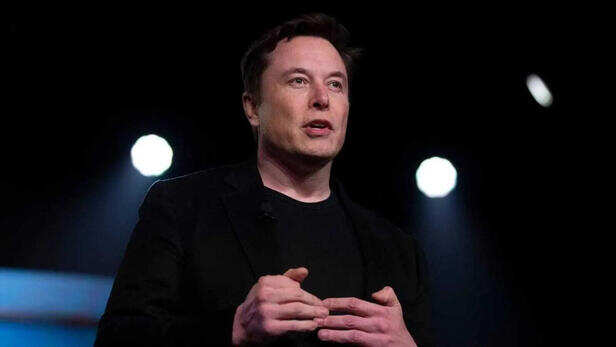
Image credit : X/ElonMuskAOC | Elon Musk’s team has initiated contact with several companies
Project launch, partnerships and location
The facility is planned for construction at the Tesla campus in eastern Travis County, Austin, Texas. Austin has been identified as the base for the complex, placing the project within an established technology and manufacturing environment.
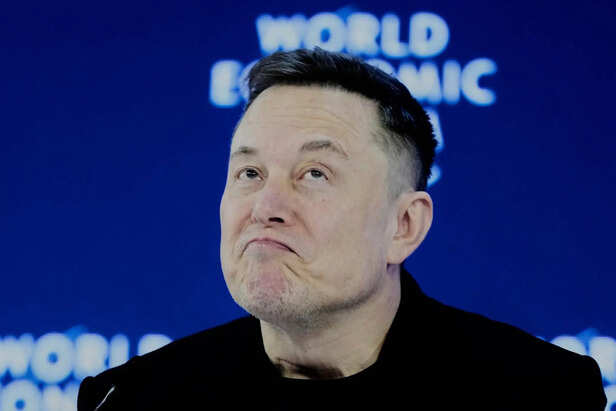
Image credit : X/ElonMuskAOC | The Terafab initiative was launched in March
Musk’s Terafab project advances through supplier outreach, partnerships, and planning, targeting 2029 production while maintaining a fast-paced development approach.

How Euphoria turned makeup into a mood, not a rulebook
By Sneha Kumari

Who is Vaishali Rameshbabu?
By Sneha Kumari

Why guochao cultural is the new cool for us
By Saloni Jha

Taylor Swift praises Dakota Johnson’s honesty
By Nancy Jaiswal

When care sounds like control: What does 'Guilt-Tripping' really mean?
By Sneha Kumari

Is seagulling the new situationship for us?
By Saloni Jha

US tightens Iran blockade, repeats nuclear warning
By Nancy Jaiswal


