

US Iran blockade: Washington says it is squeezing Iran’s economy while warning against nukes—Will Tehran accept deal terms?
Nancy Jaiswal | Apr 16, 2026, 11:29 IST
The United States has intensified pressure on Iran through a naval blockade, restricting maritime trade and reinforcing its stance against nuclear development. Officials say the move follows failed negotiations and aims to push Tehran toward a deal.

Image credit : Indiatimes | US tightens Iran blockade, repeats nuclear warning
The United States has intensified its approach toward Iran by combining economic pressure with diplomatic messaging. Stephen Miller, serving as White House Deputy Chief of Staff for Policy and Homeland Security Advisor, stated that the naval blockade imposed by the US in the Persian Gulf is significantly affecting Iran’s economy. He described the measure as “squeezing the economic life” out of the country.
In an interview with Fox News, Miller reiterated that Donald Trump remains focused on achieving peace while maintaining a firm stance against Iran acquiring nuclear weapons. He stated clearly that the US position allows no compromise on preventing Tehran from developing nuclear capabilities.
Miller referred to recent US military action carried out under the name Operation Epic Fury. He said Iran experienced a significant military setback after declining an earlier opportunity to negotiate. Following a two-week ceasefire, Washington again pushed for an agreement, but described Iran’s terms as unsatisfactory.
![The United States has intensified pressure on Iran through a naval blockade]() According to Miller, this led to a change in US strategy. He said that after rejecting Iran’s conditions, the administration moved forward with implementing a naval blockade targeting Iranian ports. The measure restricts vessels from entering or leaving the country’s ports.
According to Miller, this led to a change in US strategy. He said that after rejecting Iran’s conditions, the administration moved forward with implementing a naval blockade targeting Iranian ports. The measure restricts vessels from entering or leaving the country’s ports.
He also emphasized Trump’s role in the process, stating that the US President is directly involved in negotiations in his capacity as Commander-in-Chief. Miller described Trump as someone who follows through on decisions and maintains a consistent approach.
The operational aspect of the blockade has been overseen by United States Central Command (CENTCOM). The command announced that the blockade has been successfully implemented, with US forces establishing control across key waterways, including the Strait of Hormuz.
![Donald Trump remains focused on achieving peace while maintaining a firm stance against Iran]() CENTCOM Commander Brad Cooper stated that within 36 hours of the operation’s launch, maritime trade to and from Iran had been effectively halted. This indicates the scale and speed of enforcement.
CENTCOM Commander Brad Cooper stated that within 36 hours of the operation’s launch, maritime trade to and from Iran had been effectively halted. This indicates the scale and speed of enforcement.
In a separate development, the guided-missile destroyer USS Spruance (DDG 111) intercepted an Iranian-flagged cargo vessel attempting to bypass restrictions. The ship was redirected back toward Iran after it tried to evade the blockade following departure from Bandar Abbas and transit through the Strait of Hormuz.
CENTCOM reported that ten vessels have been turned back since the blockade began, and no ships have successfully crossed through the restrictions.
Miller reiterated that the US position remains unchanged regarding Iran’s nuclear ambitions. He stated that the US will not allow Iran to become a nuclear-armed state under any circumstances. He added that while Washington is seeking peace and stability, it will not accept threats related to nuclear capabilities.
![US position allows no compromise on preventing Tehran from developing nuclear capabilities]() He also said that the US believes it holds a strong negotiating position, stating that Iran does not have comparable leverage. The ongoing embargo, according to Miller, is designed to increase pressure on Tehran and influence its decisions regarding future negotiations.
He also said that the US believes it holds a strong negotiating position, stating that Iran does not have comparable leverage. The ongoing embargo, according to Miller, is designed to increase pressure on Tehran and influence its decisions regarding future negotiations.
US pressure on Iran intensifies through blockade enforcement and diplomacy, as Washington maintains its stance against nuclear development and seeks negotiations.
In an interview with Fox News, Miller reiterated that Donald Trump remains focused on achieving peace while maintaining a firm stance against Iran acquiring nuclear weapons. He stated clearly that the US position allows no compromise on preventing Tehran from developing nuclear capabilities.
Military action and shift in approach
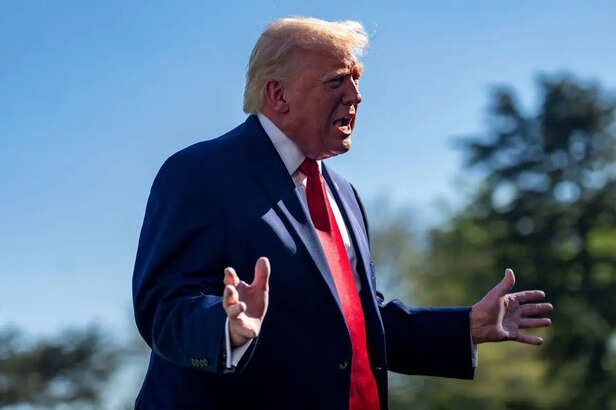
Image credit : X/Maga_Trigger | The United States has intensified pressure on Iran through a naval blockade
He also emphasized Trump’s role in the process, stating that the US President is directly involved in negotiations in his capacity as Commander-in-Chief. Miller described Trump as someone who follows through on decisions and maintains a consistent approach.
Naval blockade enforcement and CENTCOM actions
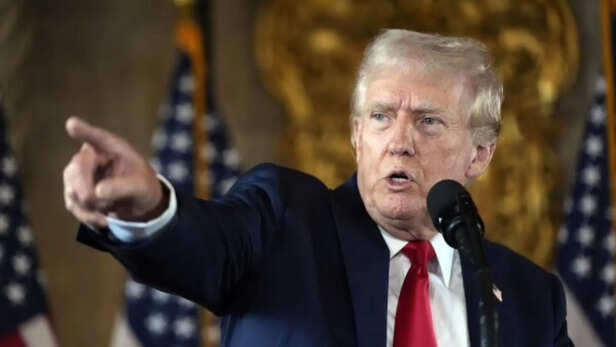
Image credit : X/Maga_Trigger | Donald Trump remains focused on achieving peace while maintaining a firm stance against Iran
In a separate development, the guided-missile destroyer USS Spruance (DDG 111) intercepted an Iranian-flagged cargo vessel attempting to bypass restrictions. The ship was redirected back toward Iran after it tried to evade the blockade following departure from Bandar Abbas and transit through the Strait of Hormuz.
CENTCOM reported that ten vessels have been turned back since the blockade began, and no ships have successfully crossed through the restrictions.
US position on nuclear policy and negotiations
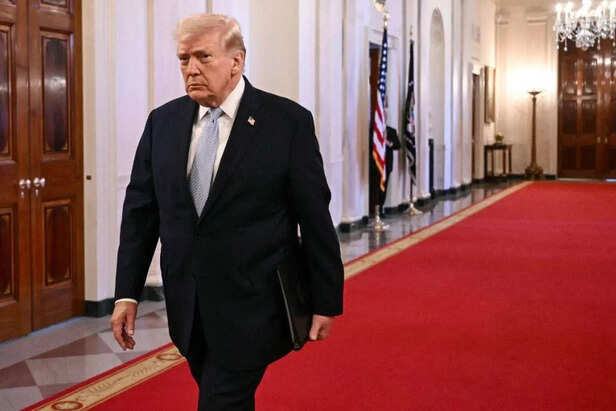
Image credit : X/Maga_Trigger | US position allows no compromise on preventing Tehran from developing nuclear capabilities
US pressure on Iran intensifies through blockade enforcement and diplomacy, as Washington maintains its stance against nuclear development and seeks negotiations.

Ridhi Dogra serves quiet baddie energy, calls Gen Z fashion the real trendsetter
By Sneha Kumari

Tesla stock jumps after Elon Musk’s AI5 chip update
By Nancy Jaiswal

What is the Hooligan BTS trend? The viral badass edit
By Iraa Paul

Meet Yuji the new baby monkey going viral after Punch
By Saloni Jha

Musk’s Terafab plan reaches out to chip suppliers
By Nancy Jaiswal

Gen Z isn’t drinking less; we are just choosing curated experiences
By Sneha Kumari

How Gen Z sets boundaries and ditches burnout at work
By Saloni Jha


