

Sneako responds after on-camera assault in New York livestream leaves him injured, with viral clip fuelling concern over risks of real-time street content
Simran Guleria | Apr 15, 2026, 18:30 IST
Sneako has responded after being punched during a livestream in New York, with the viral footage showing the shocking moment unfold. The incident has sparked wider debate about the risks and safety concerns tied to real-time content creation.

What began as another unfiltered street broadcast quickly turned into a moment of real-world danger for Sneako, after the internet personality was struck during a livestream in New York City. The incident, captured in real time, has since spread rapidly online, prompting both concern and debate about the risks tied to live content creation.
Reports indicate that Sneako was filming in a public area, engaging with people as part of his usual on-the-ground streaming style. The interaction appeared routine at first, with casual exchanges unfolding in front of viewers. However, the tone shifted abruptly when a passer-by became confrontational. Within moments, the situation escalated into a physical altercation, culminating in Sneako being punched on camera.
![X| @FearedBuck| Sneako addresses viral punch during New York livestream]()
The blow left him visibly shaken and reportedly caused a chipped tooth, a detail he later acknowledged while addressing his audience. Despite the shock, he continued the livestream briefly, speaking about the incident and attempting to process what had just occurred.
The viral nature of the clip highlights the unpredictable reality of livestreaming in public spaces. Unlike edited videos, real-time broadcasts remove any layer of control, exposing creators to spontaneous and sometimes volatile encounters. In this instance, what might have been dismissed or cut in post-production instead became a widely shared moment.
Following the incident, Sneako responded publicly, downplaying the severity of the attack while acknowledging the physical impact. His reaction suggested a mix of resilience and acceptance of the risks that come with his style of content. For many viewers, however, the footage raised concerns about whether such situations are becoming increasingly common.
Online reactions have been mixed. Some users expressed sympathy and criticised the aggressor’s behaviour, while others questioned the nature of confrontational street content itself. The debate reflects a broader tension within digital culture, where authenticity often comes at the cost of personal safety.
![X| @AFpost| Sneako reacts after livestream assault]()
Notably, the incident has also reignited discussions around accountability. While livestreamers thrive on spontaneity and direct engagement, they also operate in uncontrolled environments where interactions can quickly spiral. The absence of boundaries or security measures can leave creators vulnerable, particularly when content relies on approaching strangers or provoking reactions.
Beyond the immediate shock value, the episode underscores a deeper issue within the creator economy. As competition for attention intensifies, many streamers push towards more immersive and unpredictable formats to stand out. This pursuit of engagement can blur the line between entertainment and risk.
Sneako’s experience serves as a stark example of how quickly things can escalate when that line is crossed. The incident is not just a fleeting viral moment but a reminder of the tangible consequences behind digital content. It also raises important questions about whether platforms and creators alike should reconsider how such content is approached.
![X| @AFpost| Streamer speaks after on-camera attack]()
For audiences, the appeal of livestreaming lies in its raw and unscripted nature. Yet moments like these reveal the hidden cost of that authenticity. As the clip continues to circulate, it reinforces the idea that real-time entertainment carries real-world stakes. In the end, the incident leaves behind more than just a viral video. It adds to an ongoing conversation about safety, responsibility, and the evolving boundaries of online content, where the line between performance and reality is becoming increasingly difficult to define.
Reports indicate that Sneako was filming in a public area, engaging with people as part of his usual on-the-ground streaming style. The interaction appeared routine at first, with casual exchanges unfolding in front of viewers. However, the tone shifted abruptly when a passer-by became confrontational. Within moments, the situation escalated into a physical altercation, culminating in Sneako being punched on camera.
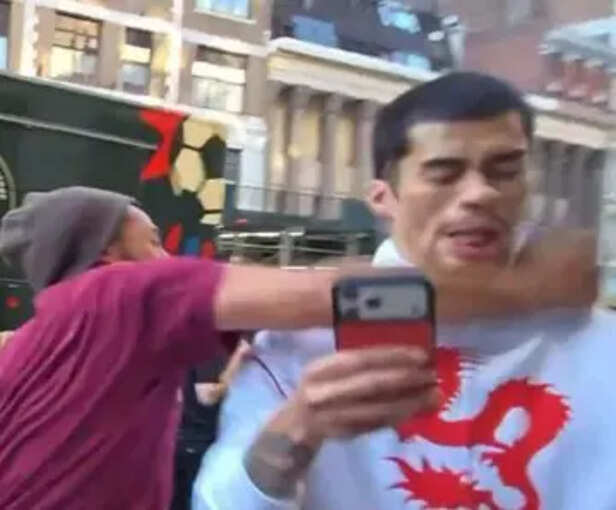
Image credit : X| @FearedBuck| Sneako addresses viral punch during New York livestream
The blow left him visibly shaken and reportedly caused a chipped tooth, a detail he later acknowledged while addressing his audience. Despite the shock, he continued the livestream briefly, speaking about the incident and attempting to process what had just occurred.
From content to confrontation
The viral nature of the clip highlights the unpredictable reality of livestreaming in public spaces. Unlike edited videos, real-time broadcasts remove any layer of control, exposing creators to spontaneous and sometimes volatile encounters. In this instance, what might have been dismissed or cut in post-production instead became a widely shared moment.
Sneako just got sucker punched while streaming in New York pic.twitter.com/qQUWmx1HdM
— FearBuck (@FearedBuck) April 14, 2026
Following the incident, Sneako responded publicly, downplaying the severity of the attack while acknowledging the physical impact. His reaction suggested a mix of resilience and acceptance of the risks that come with his style of content. For many viewers, however, the footage raised concerns about whether such situations are becoming increasingly common.
Online reactions have been mixed. Some users expressed sympathy and criticised the aggressor’s behaviour, while others questioned the nature of confrontational street content itself. The debate reflects a broader tension within digital culture, where authenticity often comes at the cost of personal safety.
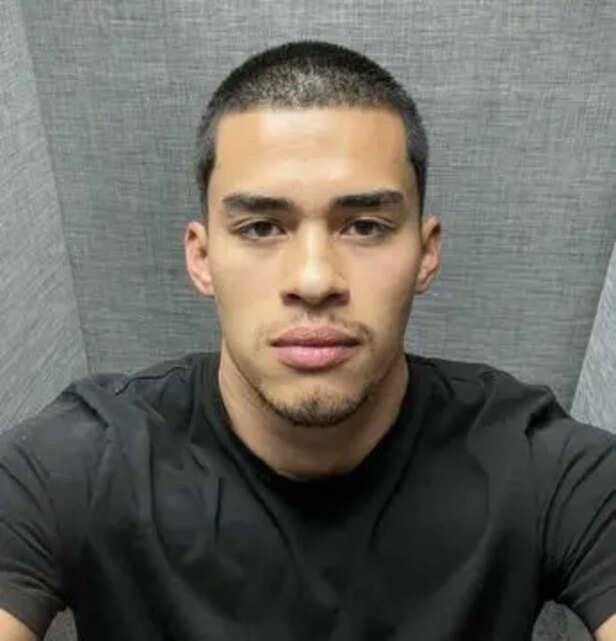
Image credit : X| @AFpost| Sneako reacts after livestream assault
Notably, the incident has also reignited discussions around accountability. While livestreamers thrive on spontaneity and direct engagement, they also operate in uncontrolled environments where interactions can quickly spiral. The absence of boundaries or security measures can leave creators vulnerable, particularly when content relies on approaching strangers or provoking reactions.
A viral moment with real consequences
Beyond the immediate shock value, the episode underscores a deeper issue within the creator economy. As competition for attention intensifies, many streamers push towards more immersive and unpredictable formats to stand out. This pursuit of engagement can blur the line between entertainment and risk.
Sneako’s experience serves as a stark example of how quickly things can escalate when that line is crossed. The incident is not just a fleeting viral moment but a reminder of the tangible consequences behind digital content. It also raises important questions about whether platforms and creators alike should reconsider how such content is approached.
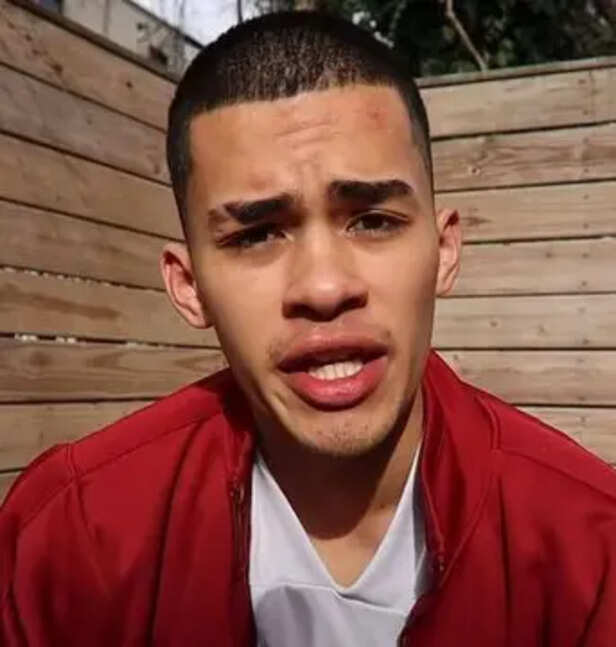
Image credit : X| @AFpost| Streamer speaks after on-camera attack
For audiences, the appeal of livestreaming lies in its raw and unscripted nature. Yet moments like these reveal the hidden cost of that authenticity. As the clip continues to circulate, it reinforces the idea that real-time entertainment carries real-world stakes. In the end, the incident leaves behind more than just a viral video. It adds to an ongoing conversation about safety, responsibility, and the evolving boundaries of online content, where the line between performance and reality is becoming increasingly difficult to define.

Is Benny Johnson gay?
By Sneha Kumari

Bieber & Minaj top Global Spotify with old hit, sparks backlash as critics brand them ‘MAGA’ & ‘Zionist’ in viral reactions
By Simran Guleria

What happened on I-71? GoFundMe launched after Ohio veterinarian Lynnea Soposki family
By Sneha Kumari

Why is Shannon Elizabeth joining OnlyFans?
By Sneha Kumari

Is BGMI 4.4 update going to drop mid-May 2026?
By Sneha Kumari

How Euphoria turned makeup into a mood, not a rulebook
By Sneha Kumari

Who is Vaishali Rameshbabu?
By Sneha Kumari


