
Tesla sales drop again in Europe for 13th straight month while BYD explodes, is Elon Musk losing grip on EV market?
Nancy Jaiswal | Feb 25, 2026, 09:38 IST
Tesla’s sales decline in Europe has extended into a 13th consecutive month, with new data showing shrinking registrations and market share. At the same time, Chinese rival BYD continues to expand rapidly, highlighting a shift in competition across the EV market.

Image credit : Indiatimes | Tesla sales drop again as BYD surges ahead
Tesla recorded its 13th consecutive month of declining sales in Europe in January, according to new data released by the European Automobile Manufacturers Association. The figures show that Tesla’s new car registrations fell to 8,075 units, marking a 17% drop compared to the same period last year.
The decline reflects a continued slowdown in demand across the region, extending a trend that has persisted for over a year. Tesla’s market share across the European Union, Britain, Switzerland, Norway, and Iceland also fell to 0.8%, down from 1% a year earlier.
The latest data indicates a weakening position for Tesla in the European market. Analysts have described the start of the year as “very weak” for the company.
Rico Luman, senior sector economist for transport and logistics at ING, said Tesla’s image in Europe deteriorated over the past year. He noted that consumers now have a wider selection of more affordable electric vehicles, including models from BYD and other brands such as MG and ZEEKR.
![Elon Musk isn’t worried about Tesla’s crashing EV sales]() He also pointed out that Tesla has not introduced enough new models, which may have limited its ability to compete in a market that is expanding its offerings at lower price points. According to Luman, the company’s emphasis on autonomous driving rather than expanding its mass-market lineup could be another contributing factor.
He also pointed out that Tesla has not introduced enough new models, which may have limited its ability to compete in a market that is expanding its offerings at lower price points. According to Luman, the company’s emphasis on autonomous driving rather than expanding its mass-market lineup could be another contributing factor.
Another issue highlighted was the growing availability of used Tesla vehicles. Many first-generation models that were leased for four to six years are now being resold, increasing supply in the second-hand market and putting downward pressure on prices.
Tesla’s performance in Europe has also been affected by broader challenges. The company faces strong competition from Chinese car manufacturers, which continue to gain traction in the region.
In addition, Tesla has dealt with reputational concerns linked to CEO Elon Musk and his association with Donald Trump. Musk reportedly spent nearly $300 million supporting Trump’s successful bid for a second term and later led efforts to reduce federal agencies.
![Tesla recorded its 13th consecutive month of declining sales in Europe in January]() During this period, protests took place at Tesla dealerships across Europe. Although Musk’s relationship with Trump later weakened following an online dispute, the earlier association contributed to brand-related challenges.
During this period, protests took place at Tesla dealerships across Europe. Although Musk’s relationship with Trump later weakened following an online dispute, the earlier association contributed to brand-related challenges.
Tesla’s shares were down 0.5% in premarket trading on Tuesday and have declined by approximately 11% since the start of the year.
While Tesla’s sales declined, BYD recorded strong growth in Europe. The Chinese automaker reported 18,242 new car registrations in January, representing a 165% increase compared to the previous year.
BYD’s market share in the region rose to 1.9%, up from 0.7% in January 2025. Despite its expansion in Europe, tariffs—including a 100% levy on Chinese electric vehicles—have largely limited the company’s presence in the United States.
Michael Field, chief equity strategist at Morningstar, said Chinese automakers benefit from a significant cost advantage. He noted that lower labour costs in China make it difficult for competitors to close the gap fully, even over the next five years.
He added that while European manufacturers and Tesla are working to reduce this gap, including improving battery and production costs and introducing more affordable models, the advantage remains substantial.
The overall European car market also showed signs of contraction. Total vehicle sales across the European Union, Britain, and the European Free Trade Association declined by 3.5% in January, reaching 961,382 units.
![Elon Musk hints at a SpaceX strategy]() However, the composition of the market is shifting. Petrol car registrations dropped by about 26% year-on-year. In contrast, battery-electric vehicles, plug-in hybrids, and hybrid-electric cars recorded increases of nearly 14%, 32%, and 6%, respectively.
However, the composition of the market is shifting. Petrol car registrations dropped by about 26% year-on-year. In contrast, battery-electric vehicles, plug-in hybrids, and hybrid-electric cars recorded increases of nearly 14%, 32%, and 6%, respectively.
These figures indicate a continued transition toward electrified vehicles, even as overall sales volumes decline.
Tesla’s prolonged sales decline in Europe contrasts with BYD’s rapid growth, highlighting intensifying competition and shifting dynamics within the electric vehicle market.
The decline reflects a continued slowdown in demand across the region, extending a trend that has persisted for over a year. Tesla’s market share across the European Union, Britain, Switzerland, Norway, and Iceland also fell to 0.8%, down from 1% a year earlier.
Market share drops as competition intensifies
Rico Luman, senior sector economist for transport and logistics at ING, said Tesla’s image in Europe deteriorated over the past year. He noted that consumers now have a wider selection of more affordable electric vehicles, including models from BYD and other brands such as MG and ZEEKR.
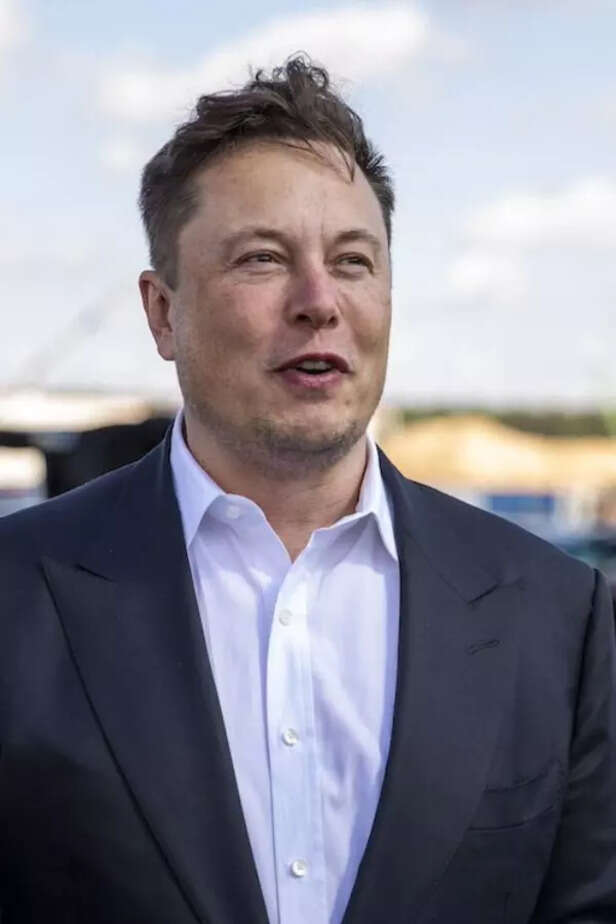
Image credit : X/musk_coco | Elon Musk isn’t worried about Tesla’s crashing EV sales
Another issue highlighted was the growing availability of used Tesla vehicles. Many first-generation models that were leased for four to six years are now being resold, increasing supply in the second-hand market and putting downward pressure on prices.
External pressures and brand challenges
In addition, Tesla has dealt with reputational concerns linked to CEO Elon Musk and his association with Donald Trump. Musk reportedly spent nearly $300 million supporting Trump’s successful bid for a second term and later led efforts to reduce federal agencies.

Image credit : X/musk_coco | Tesla recorded its 13th consecutive month of declining sales in Europe in January
Tesla’s shares were down 0.5% in premarket trading on Tuesday and have declined by approximately 11% since the start of the year.
BYD’s growth highlights shifting EV landscape
BYD’s market share in the region rose to 1.9%, up from 0.7% in January 2025. Despite its expansion in Europe, tariffs—including a 100% levy on Chinese electric vehicles—have largely limited the company’s presence in the United States.
Michael Field, chief equity strategist at Morningstar, said Chinese automakers benefit from a significant cost advantage. He noted that lower labour costs in China make it difficult for competitors to close the gap fully, even over the next five years.
He added that while European manufacturers and Tesla are working to reduce this gap, including improving battery and production costs and introducing more affordable models, the advantage remains substantial.
Broader market trends across Europe
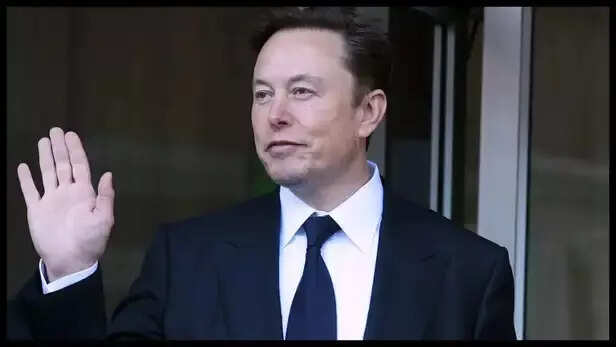
Image credit : X/musk_coco | Tesla owner Elon Musk
These figures indicate a continued transition toward electrified vehicles, even as overall sales volumes decline.
Tesla’s prolonged sales decline in Europe contrasts with BYD’s rapid growth, highlighting intensifying competition and shifting dynamics within the electric vehicle market.
Raw Mango’s London debut rewrote the script on Indian fashion
By Sneha Kumari

Low-waist jeans are back and we are living our best Y2K life
By Iraa Paul

Chris Hemsworth on why he left Los Angeles
By Nancy Jaiswal

Xavier Trudeau reveals what Katy Perry told him
By Nancy Jaiswal

Jak White reveals secrets from Bonnie Blue's 400-men event
By Karen Noronha

So it's official: Eli and Kimi are done.
By Shivani Negi

From ghosting to grand gestures: Why ‘storybooking’ trend is making dating feel like Bridgerton again
By Saloni Jha

