
Boong BAFTA win: What Lakshmipriya Devi said on stage changes the narrative as film surpasses Lilo & Stitch, Zootopia 2
Nancy Jaiswal | Feb 23, 2026, 12:08 IST
Boong’s BAFTA win brought global focus to Manipur through Lakshmipriya Devi’s speech, its story of resilience, and strong nominations. The film surpassed major contenders while highlighting displacement, conflict, and hope through a child’s perspective.

Image credit : Indiatimes | Boong BAFTA win: A speech that stood out globally
The Manipuri-language film Boong secured the BAFTA for Best Children’s & Family Film, emerging ahead of major international titles including Lilo & Stitch and Zootopia 2 (also referred to as Zootropolis 2 in some regions). The win was announced on February 22, 2026, at London’s Royal Festival Hall.
Written and directed by Lakshmipriya Devi in her feature debut, the film was produced by Farhan Akhtar and Ritesh Sidhwani under Excel Entertainment, along with collaborators. The recognition marks a first for an Indian film in this category, positioning a regional story within a global awards framework.
During the ceremony, Lakshmipriya Devi delivered a brief acceptance speech that focused on the situation in Manipur. Opening with “Khurumjari,” she expressed gratitude before stating that the journey to the stage felt like reaching an unexpected summit.
She used the moment to speak about peace and the condition of internally displaced children. Her words included a call for the return of stability, the restoration of childhood experiences, and the importance of forgiveness. She acknowledged the platform provided by BAFTA to express these concerns.
The speech was delivered during a high-profile ceremony and presented by Paddington Bear. Her remarks referred to children affected by displacement, including those associated with the film, and framed the issue in direct, human terms.
At its core, Boong follows a young schoolboy named Boong, played by Gugun Kipgen, who is himself an internally displaced individual from the Kuki community. The narrative traces his journey from Imphal to Moreh, including glimpses across the Myanmar border, as he attempts to reunite his family.
His mother Mandakini, portrayed by Bala Hijam, anchors the story. The film presents everyday life in Manipur through a child’s perspective, covering themes such as ethnic tensions, migration, class divisions, and single-parent households.
Despite these elements, the narrative maintains a focus on everyday interactions, friendships, and moments of humour. The relationship between Boong and his friend Raju reflects cross-community connections, showing interactions between different social and cultural backgrounds.
The film depicts multiple communities, including Meitei, Naga, and Kuki groups, alongside migrant populations such as Tamil, Nepali, and Marwari families. It presents a setting where markets, schools, and neighbourhoods function as shared spaces.
Set before the escalation of violence in 2023, the film captures a period of coexistence. It includes depictions of cultural diversity, multilingual environments, and communities interacting in routine settings. The inclusion of groups such as the nupi manbi community adds to this representation.
Through its narrative, the film addresses displacement and conflict without direct exposition. It shows the impact on children, including disrupted education, separation from families, and altered daily life, while maintaining focus on continuity and resilience.
The BAFTA win has drawn attention to the situation in Manipur, particularly issues linked to displacement and ongoing tensions. It places a regional narrative within an international context, potentially increasing awareness and engagement.
![Boong’s BAFTA win brought global focus to Manipur through Lakshmipriya Devi’s speech]() The recognition also reflects on the experiences of individuals represented in the film, including displaced families and children. It acknowledges stories centered on resilience and continuity under difficult conditions.
The recognition also reflects on the experiences of individuals represented in the film, including displaced families and children. It acknowledges stories centered on resilience and continuity under difficult conditions.
Screenings of the film in cities such as Delhi and Bengaluru have brought together audiences from different communities. These events have created shared viewing spaces where individuals engage with the narrative collectively.
The film’s outcome extends beyond awards recognition, positioning it as a cultural reference point tied to current realities. Its reception indicates the capacity of regional storytelling to connect with wider audiences while retaining its specific context.
Boong’s BAFTA win combines story, speech, and context, bringing Manipur’s realities to global attention while reinforcing themes of resilience and coexistence.
Written and directed by Lakshmipriya Devi in her feature debut, the film was produced by Farhan Akhtar and Ritesh Sidhwani under Excel Entertainment, along with collaborators. The recognition marks a first for an Indian film in this category, positioning a regional story within a global awards framework.
Lakshmipriya Devi’s acceptance speech and message
Lakshmipriya Devi accepts the #EEBAFTAs Children’s and Family Film award for Boong 💫 🗻 pic.twitter.com/TFBnBmDVSx
— BAFTA (@BAFTA) February 22, 2026
The speech was delivered during a high-profile ceremony and presented by Paddington Bear. Her remarks referred to children affected by displacement, including those associated with the film, and framed the issue in direct, human terms.
Story, setting and characters of the film
A proud and emotional moment as Laxmipriya Devi, Director of Boong, delivered a heartfelt speech after the film won at the BAFTA Awards (the Best Children’s & Family Film award)
Rooted in the soil of Manipur, Boong is more than a film - it is a tribute to a homeland that… pic.twitter.com/u8p8trOll4
— Government of Manipur (@govt_of_manipur) February 23, 2026
Despite these elements, the narrative maintains a focus on everyday interactions, friendships, and moments of humour. The relationship between Boong and his friend Raju reflects cross-community connections, showing interactions between different social and cultural backgrounds.
Representation of Manipur’s diversity and conflict
Set before the escalation of violence in 2023, the film captures a period of coexistence. It includes depictions of cultural diversity, multilingual environments, and communities interacting in routine settings. The inclusion of groups such as the nupi manbi community adds to this representation.
Through its narrative, the film addresses displacement and conflict without direct exposition. It shows the impact on children, including disrupted education, separation from families, and altered daily life, while maintaining focus on continuity and resilience.
Impact, visibility and global attention
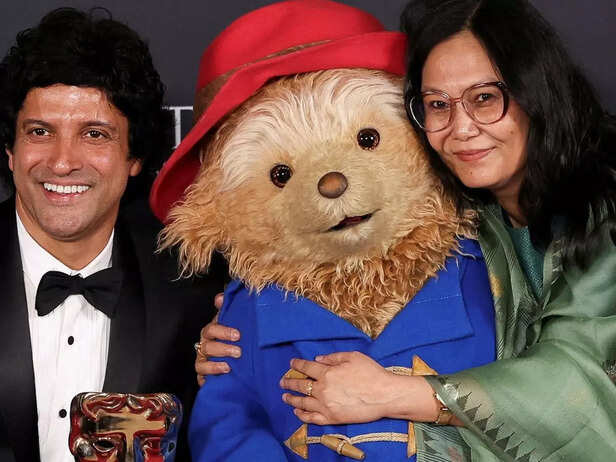
Image credit : X/ani_digital | Boong’s BAFTA win brought global focus to Manipur through Lakshmipriya Devi’s speech
Screenings of the film in cities such as Delhi and Bengaluru have brought together audiences from different communities. These events have created shared viewing spaces where individuals engage with the narrative collectively.
The film’s outcome extends beyond awards recognition, positioning it as a cultural reference point tied to current realities. Its reception indicates the capacity of regional storytelling to connect with wider audiences while retaining its specific context.
Boong’s BAFTA win combines story, speech, and context, bringing Manipur’s realities to global attention while reinforcing themes of resilience and coexistence.
Apple's tiny clock detail is breaking the internet
By Sneha Kumari

How the fear of being 'mid' is lowkey ruining our love lives
By Iraa Paul

Sam Smith and Hozier’s duet just altered our brain chemistry
By Iraa Paul

After weeks of rejection, viral baby monkey has a bodyguard now
By Sneha Kumari

Mexican military kills El Mencho, unrest spreads fast
By Nancy Jaiswal

BAFTAs 2026 winners list as top films & actors revealed
By Nancy Jaiswal

Kate Middleton stepped back amid Meghan tensions
By Nancy Jaiswal

