
Why dystopian movies have us convinced we’re built different
Iraa Paul | Feb 25, 2026, 11:55 IST
We think we’d survive a dystopian movie, but real survival isn’t cinematic, it’s messy, uncertain, and often comes down to luck.

Image credit : Netflix | Why everyone thinks they’d survive a dystopian movie
Be honest. You’ve watched a chaotic apocalypse scene unfold and thought, I’d handle this better.
Whether it’s navigating the deadly games ofThe Hunger Games , surviving a zombie outbreak like in The Last of Us, or outsmarting a totalitarian regime à la Divergent, a lot of us are quietly convinced we wouldn’t just survive, we’d thrive. But why?
![Why dystopian movies have us convinced we’re built different]()
We grew up on stories where the underestimated teen turns out to be humanity’s last hope. The blueprint is simple: be emotionally layered, morally conflicted, and slightly traumatised, and the plot will protect you.
After years of consuming narratives that centre “ordinary” people becoming extraordinary under pressure, it’s no surprise we subconsciously cast ourselves as leads (I do). No one imagines being the extra who trips in the first five minutes. In our heads, we’re the final-scene survivor with a dramatic scar (Reminds me of Zoro) and a slow-burn love interest.
Climate anxiety. Pandemics. Economic instability. AI panic. Endless doomscrolling. When you’ve grown up in constant uncertainty, dystopian plots don’t feel wildly unrealistic.
There’s a quiet belief that we’ve already been training for chaos. We know how to search for information in seconds. We’ve watched enough breakdown videos to know what not to do. Compared to characters who ignore obvious red flags, we feel hyper-aware.
In short, we think we’d make smarter choices.
![Why dystopian movies have us convinced we’re built different]()
Scroll long enough and you’ll find “what I’d pack in an apocalypse” videos, strategy threads about fictional rebellions, and debates about which dystopian faction we’d join. We analyse character decisions like tactical errors in a game.
Consuming survival discourse daily creates an illusion of preparedness. You start thinking, I’d never go into the dark basement alone or I’d ration supplies better. It’s strategy from the comfort of your room, but your brain doesn’t always separate theory from reality.
Dystopian confidence is strongest when we’re warm, fed, and connected to Wi-Fi.
Real survival would mean hunger, exhaustion, injury, grief, and long stretches of fear. Movies compress that into gripping montages with cinematic music. In reality, it would likely be slow, uncomfortable, and deeply uncertain.
But because films focus on heroism over logistics, we picture the adrenaline, not the dehydration. The rebellion speech, not the months of hiding.
At the same time, our confidence isn’t entirely baseless. We’ve had to adapt quickly, to new technology, shifting work norms, remote everything, cultural resets. Flexibility has become second nature. New app? Downloaded. New rule? Learned. New crisis? Processed and somehow pushed through.
Dystopian worlds reward adaptability. They punish rigidity. And if there’s one thing we’ve learned, it’s how to pivot (Not the Ross one, ifkyk).
There’s also something deeper going on. Surviving isn’t just about staying alive, it’s about proving something. We’ve turned the struggle into a storyline. Hardship feels like character development. Endurance feels meaningful.
So when we imagine surviving a dystopian world, we’re not just imagining escape. We’re imagining growth. Strength. Validation. A version of ourselves that rises under pressure.
![Why dystopian movies have us convinced we’re built different]()
Realistically, survival often depends on luck, location, health, and circumstances far beyond pure determination. Most people in dystopian stories don’t make it to the sequel.
But here’s the thing: believing we could survive might matter more than whether we actually would. That confidence shapes how we approach everyday crises, heartbreak, job uncertainty, burnout, personal setbacks. Thinking I’d figure it out becomes a mindset.
Maybe we don’t imagine surviving dystopian movies because we’re unrealistic. Maybe it’s because, in smaller ways, we already have survived difficult chapters. And in a world that sometimes feels unpredictable, that belief, however cinematic, keeps us steady.
Whether it’s navigating the deadly games of
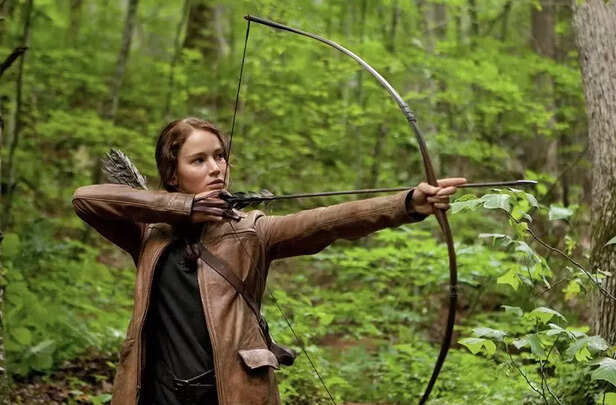
Image credit : Netflix | We grew up on stories where the underestimated teen turns out to be humanity’s last hope
We all think we’re the main character
After years of consuming narratives that centre “ordinary” people becoming extraordinary under pressure, it’s no surprise we subconsciously cast ourselves as leads (I do). No one imagines being the extra who trips in the first five minutes. In our heads, we’re the final-scene survivor with a dramatic scar (Reminds me of Zoro) and a slow-burn love interest.
It doesn’t feel that fictional anymore
There’s a quiet belief that we’ve already been training for chaos. We know how to search for information in seconds. We’ve watched enough breakdown videos to know what not to do. Compared to characters who ignore obvious red flags, we feel hyper-aware.
In short, we think we’d make smarter choices.
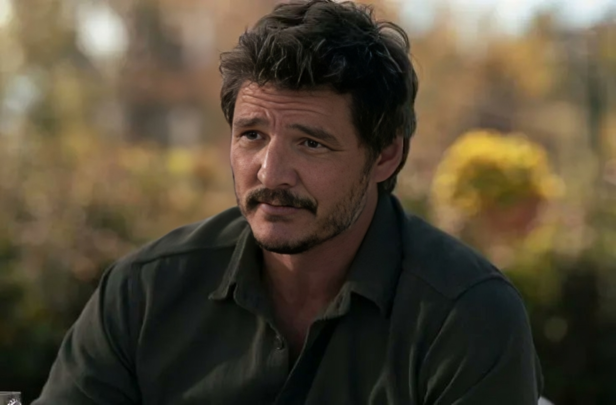
Image credit : HBO | There’s a quiet belief that we’ve already been training for chaos
The internet turned us into armchair survivalists
Consuming survival discourse daily creates an illusion of preparedness. You start thinking, I’d never go into the dark basement alone or I’d ration supplies better. It’s strategy from the comfort of your room, but your brain doesn’t always separate theory from reality.
We romanticise resilience
Real survival would mean hunger, exhaustion, injury, grief, and long stretches of fear. Movies compress that into gripping montages with cinematic music. In reality, it would likely be slow, uncomfortable, and deeply uncertain.
But because films focus on heroism over logistics, we picture the adrenaline, not the dehydration. The rebellion speech, not the months of hiding.
We’re used to adapting
Dystopian worlds reward adaptability. They punish rigidity. And if there’s one thing we’ve learned, it’s how to pivot (Not the Ross one, ifkyk).
Survival feels like proof
So when we imagine surviving a dystopian world, we’re not just imagining escape. We’re imagining growth. Strength. Validation. A version of ourselves that rises under pressure.
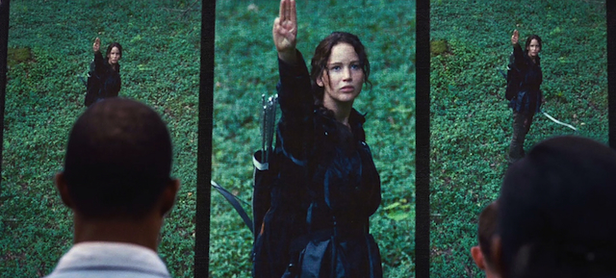
Image credit : HBO | Consuming survival discourse daily creates an illusion of preparedness
The uncomfortable truth
But here’s the thing: believing we could survive might matter more than whether we actually would. That confidence shapes how we approach everyday crises, heartbreak, job uncertainty, burnout, personal setbacks. Thinking I’d figure it out becomes a mindset.
Maybe we don’t imagine surviving dystopian movies because we’re unrealistic. Maybe it’s because, in smaller ways, we already have survived difficult chapters. And in a world that sometimes feels unpredictable, that belief, however cinematic, keeps us steady.
Who is 'El Pelon' Juan Carlos Valencia Gonzalez?
By Nillohit Bagchi

Was Decarlos Brown Jr really an illegal immigrant?
By Sneha Kumari

10 spring-core anime that feel like a soft reset for your soul
By Iraa Paul

Raw Mango’s London debut rewrote the script on Indian fashion
By Sneha Kumari

Tesla sales drop again as BYD surges ahead
By Nancy Jaiswal

Low-waist jeans are back and we are living our best Y2K life
By Iraa Paul

Chris Hemsworth on why he left Los Angeles
By Nancy Jaiswal

