
How to create a low-effort vision board you will actually stick to in 2026
Saloni Jha | Jan 01, 2026, 05:58 IST

Over vision boards that fail by February? This low-effort version that actually works for real life in 2026.
The new year has officially arrived, and with it comes the annual expectation to reinvent your entire personality overnight. Suddenly everyone online is waking up at 5am, sipping green juice, running marathons, and manifesting six-figure lifestyles through perfectly curated vision boards. Meanwhile, you are just trying to survive the first working week of January.
![Freepik | Suddenly everyone online is waking up at 5am, and manifesting six-figure lifestyles through perfectly curated vision boards. Meanwhile, you are just trying to survive the first working week of January.]()
Here is the uncomfortable truth: most vision boards fail because they are designed for Pinterest, not for real life. They look stunning, they photograph well, and they last exactly three weeks before being forgotten. They are often too ambitious, too aesthetic-led, and completely disconnected from daily habits.
![Freepik | Here is the uncomfortable truth: most vision boards fail because they are designed for Pinterest, not for real life.]()
If you want a vision board that actually works in 2026, it needs to be realistic, low-effort, and grounded in who you already are. Not who you think you should become. This is not about manifesting a fantasy version of your life. It is about creating direction, clarity, and a sustainable vibe that you can actually live with.
The biggest issue with traditional vision boards is that they aim for transformation instead of alignment. They focus on external success markers rather than internal stability. Luxury homes, extreme fitness goals, and hyper-productive routines look inspiring, but they rarely translate into daily action.
![Freepik | The key rule is ease. If setting it up feels like another project, it defeats the purpose. Your mood board should feel like a soft reference point, not another productivity obligation.]()
When a vision board feels overwhelming, your brain avoids it. When it feels unrealistic, you disconnect from it emotionally. And once that happens, the board becomes decoration instead of guidance.
A useful vision board should feel achievable on an average Tuesday, not just on your most motivated day of the year.
Instead of starting with goals, start with feelings. This small shift changes everything.
Ask yourself what you actually want more of in 2026. Calm mornings. Less financial stress. Better boundaries. More consistency. Less chaos. These emotional states are far more powerful than rigid targets because they influence your decisions without pressure.
![Freepik | They look stunning, they photograph well, and they last exactly three weeks before being forgotten. They are often too ambitious, too aesthetic-led, and completely disconnected from daily habits.]()
When choosing images, think atmosphere over aspiration. A peaceful workspace instead of “write a book”. A quiet walk instead of “get fit”. A simple meal at home instead of “eat perfectly”. The feeling is the destination, not the object.
A vision board that requires effort to access will not survive the year. Choose one platform and keep it intentionally basic. A private Pinterest board, a single Canva page, your Notes app, or even a physical journal page all work.
The key rule is ease. If setting it up feels like another project, it defeats the purpose. Your vision board should feel like a soft reference point, not another productivity obligation.
![Freepik | If you want a vision board that actually works in 2026, it needs to be realistic, low-effort, and grounded in who you already are. Not who you think you should become.]()
The reason aesthetic boards fail is because they never connect to behaviour. A realistic vision board quietly links vibes to small habits.
If your board represents calm, think earlier nights or fewer late scrolls. If it reflects financial ease, think weekly money check-ins rather than extreme saving challenges. If creativity shows up, aim for short, regular sessions instead of all-consuming projects.
These are not rules. They are anchors. They keep the vision board practical without turning it into a rigid plan.
![Freepik | This is not about manifesting a fantasy version of your life. It is about creating direction, clarity, and a sustainable vibe that you can actually live with.]()
One of the most underrated tips is restraint. Too many images create confusion rather than motivation. A strong vision board usually has fewer than ten visuals, one general colour palette, and a clear emotional theme.
When everything looks loud, nothing feels grounded. Simplicity makes the message clearer and easier to remember.
A genuinely useful vision board does not only show what you want, but what you are stepping away from. Burnout. Overcommitting. Chaos. People-pleasing. Constant urgency.
Including an anti-goal creates boundaries. It reminds you that protecting your energy is just as important as chasing growth. This single detail often makes the biggest difference in how sustainable your year feels.
Your vision board should live somewhere you naturally see it. A lock screen, laptop wallpaper, journal cover, or printed page near your bed works better than a hidden folder.
It should feel like a quiet nudge, not a motivational scream. Something that gently influences your choices rather than shaming you into action.
![Freepik | The biggest issue with traditional vision boards is that they aim for transformation instead of alignment.]()
This kind of vision board works because it respects reality. It does not demand perfection, discipline, or constant motivation. It allows room for inconsistency while still offering direction.
Your 2026 vision board is not a contract. It is a compass. Some weeks you will follow it closely. Other weeks you will drift. That is normal. Progress comes from alignment, not pressure.
Skip the overproduced vision board era this year. Build something that fits your real life, not an internet fantasy. If your vision board feels calm, achievable, and forgiving, you are already doing it right.
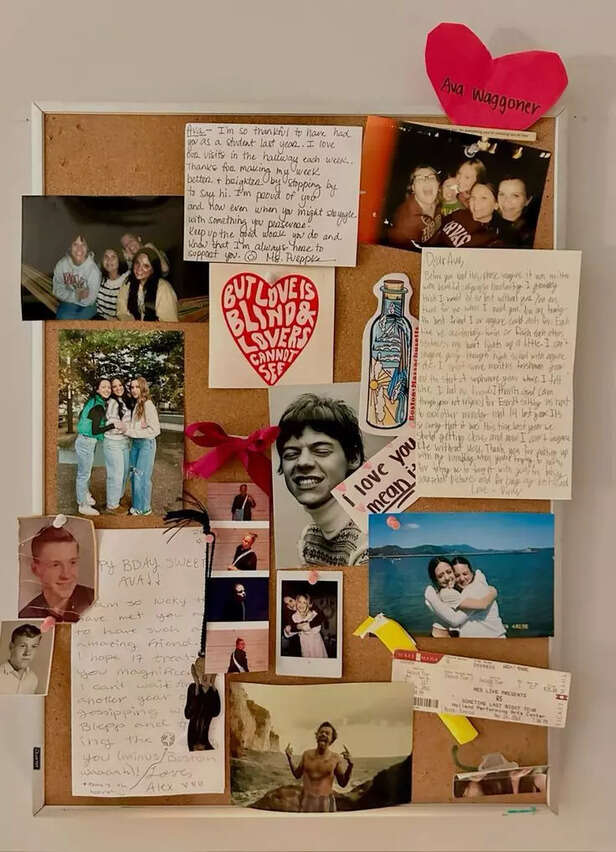
Image credit : Freepik | Suddenly everyone online is waking up at 5am, and manifesting six-figure lifestyles through perfectly curated vision boards. Meanwhile, you are just trying to survive the first working week of January.
Vision board 2026
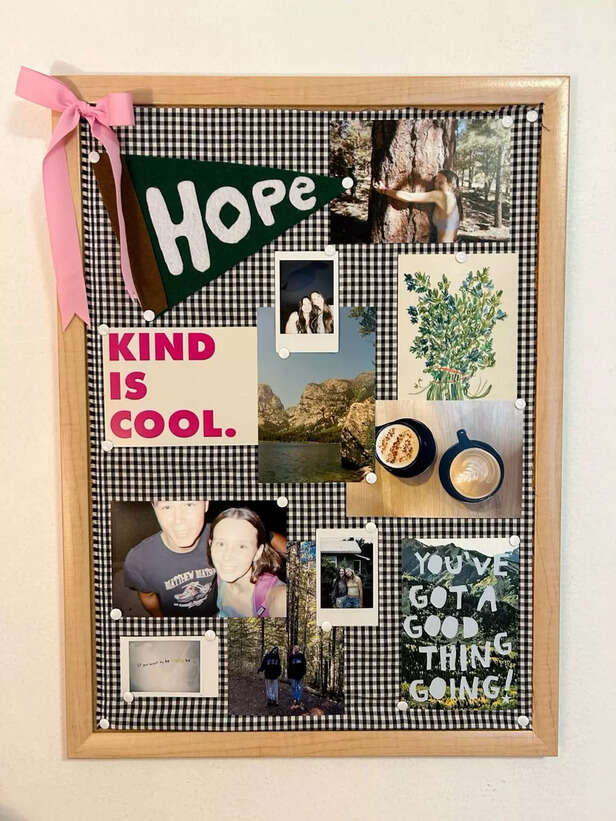
Image credit : Freepik | Here is the uncomfortable truth: most vision boards fail because they are designed for Pinterest, not for real life.
If you want a vision board that actually works in 2026, it needs to be realistic, low-effort, and grounded in who you already are. Not who you think you should become. This is not about manifesting a fantasy version of your life. It is about creating direction, clarity, and a sustainable vibe that you can actually live with.
Why most vision boards quietly fail

Image credit : Freepik | The key rule is ease. If setting it up feels like another project, it defeats the purpose. Your mood board should feel like a soft reference point, not another productivity obligation.
When a vision board feels overwhelming, your brain avoids it. When it feels unrealistic, you disconnect from it emotionally. And once that happens, the board becomes decoration instead of guidance.
A useful vision board should feel achievable on an average Tuesday, not just on your most motivated day of the year.
Build around how you want your life to feel
Ask yourself what you actually want more of in 2026. Calm mornings. Less financial stress. Better boundaries. More consistency. Less chaos. These emotional states are far more powerful than rigid targets because they influence your decisions without pressure.
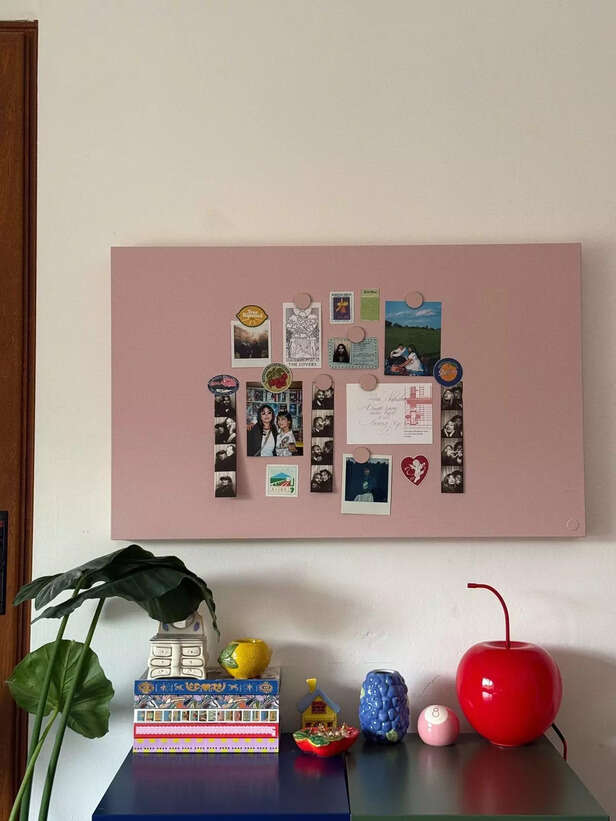
Image credit : Freepik | They look stunning, they photograph well, and they last exactly three weeks before being forgotten. They are often too ambitious, too aesthetic-led, and completely disconnected from daily habits.
When choosing images, think atmosphere over aspiration. A peaceful workspace instead of “write a book”. A quiet walk instead of “get fit”. A simple meal at home instead of “eat perfectly”. The feeling is the destination, not the object.
Keep the platform simple and friction-free
The key rule is ease. If setting it up feels like another project, it defeats the purpose. Your vision board should feel like a soft reference point, not another productivity obligation.
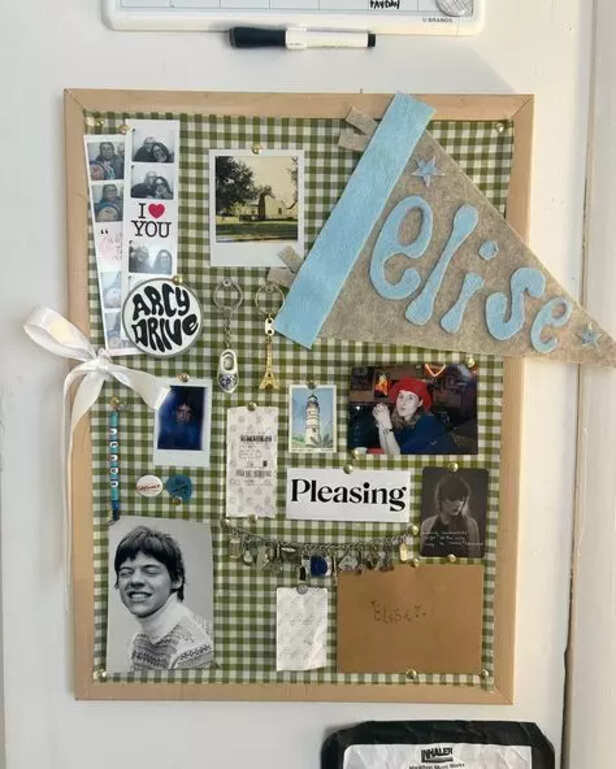
Image credit : Freepik | If you want a vision board that actually works in 2026, it needs to be realistic, low-effort, and grounded in who you already are. Not who you think you should become.
Let habits gently support the vision
If your board represents calm, think earlier nights or fewer late scrolls. If it reflects financial ease, think weekly money check-ins rather than extreme saving challenges. If creativity shows up, aim for short, regular sessions instead of all-consuming projects.
These are not rules. They are anchors. They keep the vision board practical without turning it into a rigid plan.
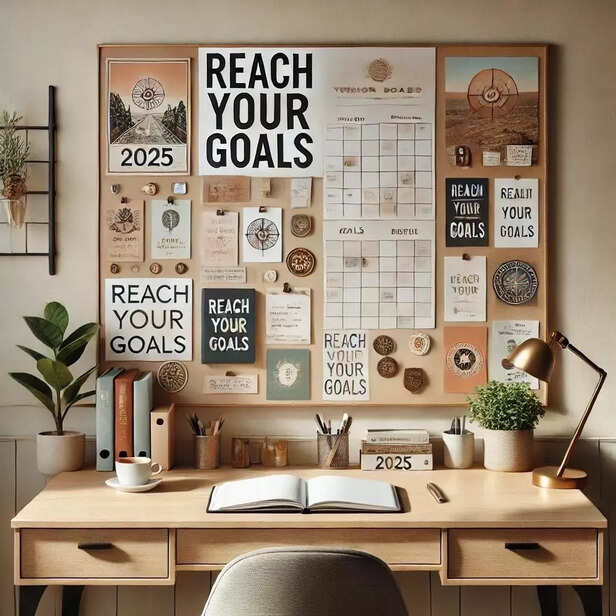
Image credit : Freepik | This is not about manifesting a fantasy version of your life. It is about creating direction, clarity, and a sustainable vibe that you can actually live with.
Less visual noise, more clarity
When everything looks loud, nothing feels grounded. Simplicity makes the message clearer and easier to remember.
The power of including what you are avoiding
Including an anti-goal creates boundaries. It reminds you that protecting your energy is just as important as chasing growth. This single detail often makes the biggest difference in how sustainable your year feels.
Make it visible, not performative
It should feel like a quiet nudge, not a motivational scream. Something that gently influences your choices rather than shaming you into action.
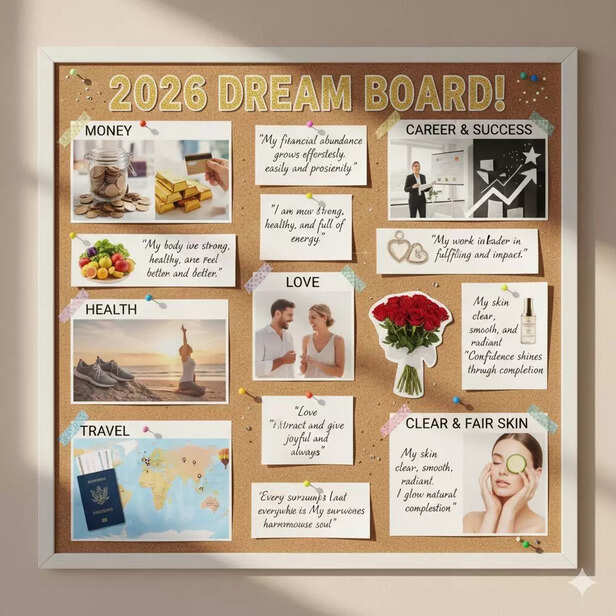
Image credit : Freepik | The biggest issue with traditional vision boards is that they aim for transformation instead of alignment.
Why this approach actually works
Your 2026 vision board is not a contract. It is a compass. Some weeks you will follow it closely. Other weeks you will drift. That is normal. Progress comes from alignment, not pressure.
Skip the overproduced vision board era this year. Build something that fits your real life, not an internet fantasy. If your vision board feels calm, achievable, and forgiving, you are already doing it right.
Realistic 2026 vision board everyone needs
By Saloni Jha

GTA 6 fans predict 'most annoying' bridge feature in the game
By Sneha Kumari

Did North West remove her controversial finger piercing?
By Sneha Kumari

12-year-old dies recreating Squid Game prank
By Sneha Kumari

Why is Taylor Swift’s Kansas City charity under scrutiny?
By Priya Prakash

Can Anthony Joshua fight again after the fatal car crash?
By Sneha Kumari

Fans roast Kanye’s post flaunting Bianca’s artwork
By Priya Prakash
