
Why everyone's talking about China's viral 'plastic wrap diet' for weight loss?
Sneha Kumari | Feb 22, 2026, 11:32 IST
The “plastic wrap” diet is a viral TikTok and X trend where people chew food wrapped in plastic and spit it out to feel full without calories.

Image credit : X | @yesknow | Chew, Spit, Repeat: The Plastic Wrap Diet Sweeping TikTok
It sounds like a satire, but it's not. Across X, Instagram and TikTok, a new viral 'hack' is pulling in millions of views and plenty of concerns from doctors.
Yes, welcome to the era of the 'plastic-eating' diet. But what's that? Let's find out.
What is the
Well, the concept is weirdly simple: you put food inside a thin plastic wrap or bag, and you chew it and taste it, but you don't swallow it. You spit it out.
And the logic is quite simple. This is a way to trick your brain into thinking you have eaten a full meal, without actually consuming the calories.
While some creators also claim that it helps in controlling the cravings or maintaining a calorie deficit, others frame it as "mindful eating 2.0". But health professionals say it's not biohacking; it's body-hacking in the worst way.
We grew up online and are used to seeing everything from productivity hacks to extreme diet trends packaged in aesthetic 30-second clips.
This trend taps into the pressure to look a certain way, the obsession with 'quick fixes', the gamification of self-control and the performance aspect of dieting.
It turns restriction into content, and that's where it gets concerning.
![Freepik | Gen Z’s Latest Obsession: Eating Plastic to Lose Weight?]()
According to research referenced by the National Institutes of Health, exposure to microplastics isn't harmless. Here's what could actually happen:
![Freepik | The Weird TikTok Hack Tricking Your Brain]()
![Freepik | This TikTok Diet Lets You Taste Food Without Eating It]()
Let's take a deeper look into this. The plastic wrap diet isn't just risky because of microplastics. It mirrors something called "chew and spit" behaviour, a pattern often associated with disordered eating.
What started as a viral stunt is raising serious red flags among health professionals. The plastic wrap diet carries real physical risks, from microplastic exposure to inflammation and hormone disruption.
But the deeper risk? Normalising disordered eating under the aesthetic of "discipline".
Yes, welcome to the era of the 'plastic-eating' diet. But what's that? Let's find out.
What is the plastic wrap diet ?
And the logic is quite simple. This is a way to trick your brain into thinking you have eaten a full meal, without actually consuming the calories.
While some creators also claim that it helps in controlling the cravings or maintaining a calorie deficit, others frame it as "mindful eating 2.0". But health professionals say it's not biohacking; it's body-hacking in the worst way.
It's a viral diet trend that's been blowing up on platforms like TikTok recently, often called the "plastic eating" or "cling wrap diet". Young people (mostly concerned about weight gain and body image) put a layer of plastic wrap over/in their mouth/tongue, place food on it,… pic.twitter.com/dHVPlpekWm
— meme.tweet (@1memetweet) February 18, 2026
Why is this viral trend blowing up?
This trend taps into the pressure to look a certain way, the obsession with 'quick fixes', the gamification of self-control and the performance aspect of dieting.
It turns restriction into content, and that's where it gets concerning.
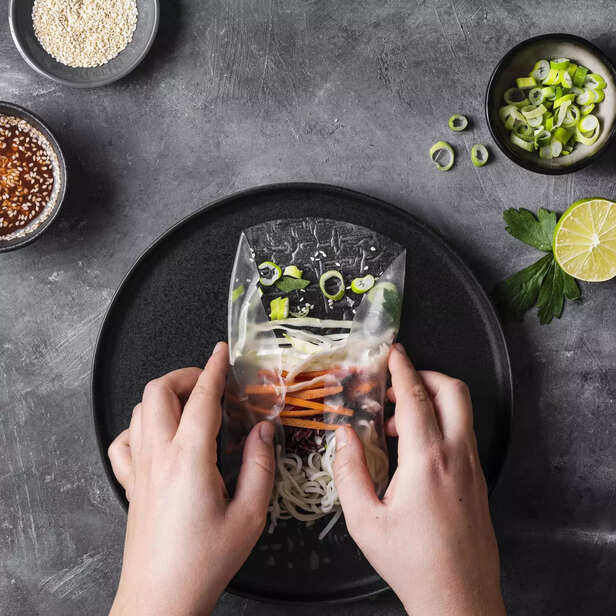
Image credit : Freepik | Gen Z’s Latest Obsession: Eating Plastic to Lose Weight?
The physical side effects experts are warning about
- Digestive issues: Chewing food through plastic can release microplastic particles. Those tiny fragments can enter your mouth and digestive tract and can cause stomach pain, bloating, gas, nausea or vomiting, changes in bowel movements and inflammatory reactions in the gut.
- Respiratory problems: When your mouth is sealed around plastic while chewing, there's a risk of inhaling microplastic particles. And some of the possible symptoms include:
- Coughing
- Sneezing
- Shortness of breath
- Dizziness
- Fatigue
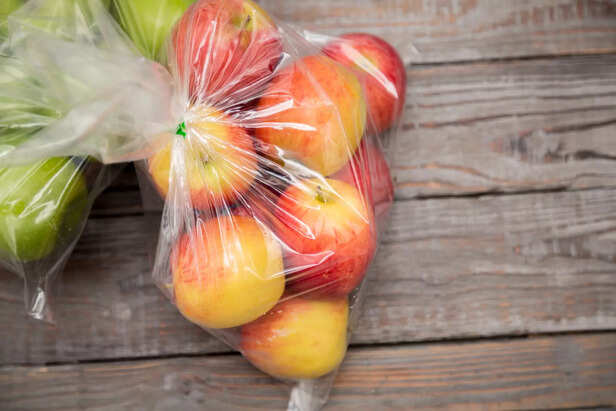
Image credit : Freepik | The Weird TikTok Hack Tricking Your Brain
- Oxidative Stress & Organ Inflammation: Microplastics can increase reactive oxygen species (ROS) in the body. That leads to oxidative stress, a process linked to chronic inflammation in organs like the liver, intestines and lungs. Chronic inflammation isn't just a buzzword. It's tied to long-term disease risk and immune imbalance.
- Hormonal disruption: Some microplastics contain endocrine-disrupting chemicals (EDCs). These interfere with hormone production and regulation, and that's linked to metabolic disorders, fertility challenges, increased miscarriage risk and hormonal imbalances.
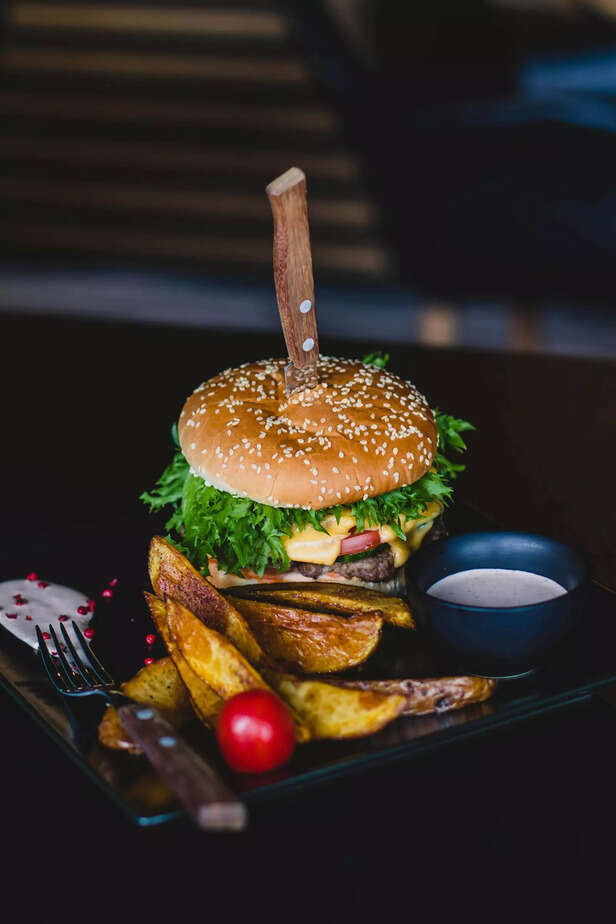
Image credit : Freepik | This TikTok Diet Lets You Taste Food Without Eating It
But this isn’t about plastic. It's about control
What started as a viral stunt is raising serious red flags among health professionals. The plastic wrap diet carries real physical risks, from microplastic exposure to inflammation and hormone disruption.
But the deeper risk? Normalising disordered eating under the aesthetic of "discipline".
Fact check: Is Alyb0ba really El Mencho’s daughter?
By Sneha Kumari

Fans split over MEOVV’s Ella joining Percy Jackson cast
By Emmy Azad

Marty Supreme ties BAFTA record with 11 Losses
By Emmy Azad

Hyderabad’s Bhavitha Mandava, Chanel model, gets a shoutout from Emmanuel Macron
By Sneha Kumari

Milo Ventimiglia opens up about Gilmore Girls debate
By Emmy Azad

Boong BAFTA win: A speech that stood out globally
By Nancy Jaiswal

Apple's tiny clock detail is breaking the internet
By Sneha Kumari

